



Cathryn Rakich
Editor and Home Design and Pets Columnist
About This Author
Cathryn Rakich has been a writer and editor in the Sacramento area for 35 years, with articles in local, state and national publications. She is also active in the animal-welfare community, volunteering for local animal rescue groups. Her latest endeavor is as a ceramics artist.
Articles by this author

Saving Lives
This post has been sponsored by Saving Lives Community clinic makes spay/neuter a priority By...
Read More
‘Sadvertising’
The dog’s graying muzzle proves she’s no youngster. She’s been bred so many times her swollen nipples hang down.
The cat’s scarred face is evidence of too much time on the street. He’s wary of strangers but warms up quickly.
No aggression. No medical problems.
Read More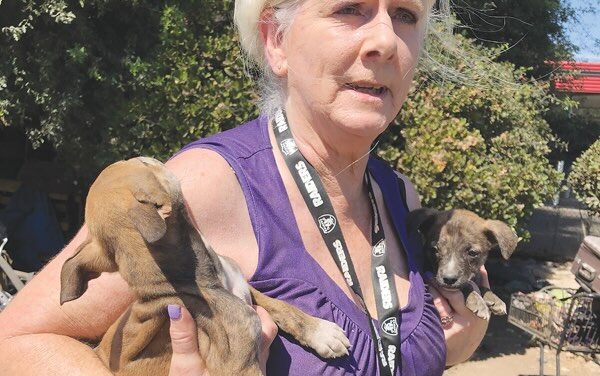
What’s It Going To Take
Buttercup lives on a 3-foot tether in a homeless camp near Downtown. The tan, mixed-breed dog is 3 years old. She’s had three litters—24 puppies.
Buttercup is one of three dozen dogs who have lived and died in a lineup of tattered tents off Highway 160 over the last three years.
In that time, 155 puppies were born. Forty-nine died, 65 were sold or traded, 25 are gone.
“Gone means the puppies just disappeared,” Debbie Tillotson says.
Animal Oust
North American river otters forage, hunt and play along the lower American River. Coyotes trot along the biking and hiking paths. Western pond turtles sunbathe on logs.
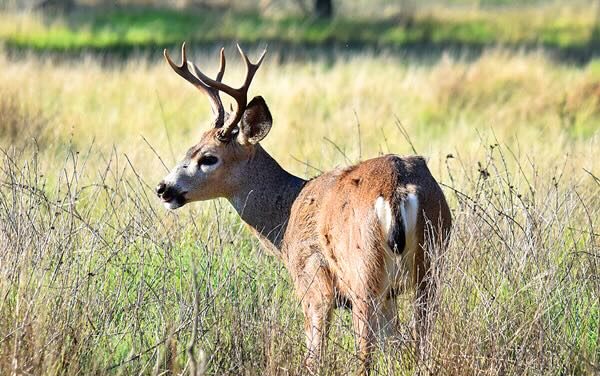
Mule deer seek camouflage in meadows of sedge grass and willow trees. Wood ducks nest and hide in wooden groves.
Fox, jackrabbits, muskrats, opossums, raccoons, beavers and skunks find refuge. Hawks, eagles, egrets, herons, owls and cormorants are among the more than 200 bird species.
The parkway’s “river-rich basin, coupled with marshes teeming with life, provides vital habitat for hundreds of birds, mammals, amphibians, reptiles and fish,” reports the California Department of Fish and Wildlife.
Read More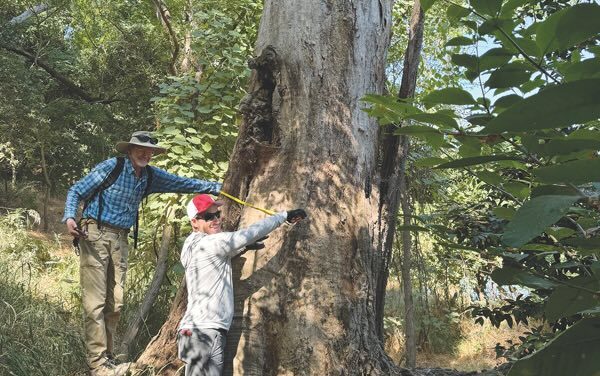
‘Not Giving Up’
Destruction of miles of riparian habitat, including hundreds of trees, along the lower American River is scheduled to begin this fall.
The Central Valley Flood Protection Board approved the U.S. Army Corps of Engineers’ latest erosion-control project, despite pleas by engineers, biologists, scientists, geologists, professors, environmentalists and community activists to rethink the devastation.
Contract 3B stretches from the Howe Avenue bridge to east of Watt Avenue. The erosion-control work is part of the Corps’ plan to protect the city from floods.
Bulldozers will demolish as many as 700 trees, including 300-year-old oaks, and established vegetation. Trucks will deposit tons of jagged rock and rubble along the banks and into the water. The river’s south and north sides will be fenced for equipment staging.
Read More


