
Our Memberships Help Support Bringing You The Best in 100% Local News: Learn More HERE
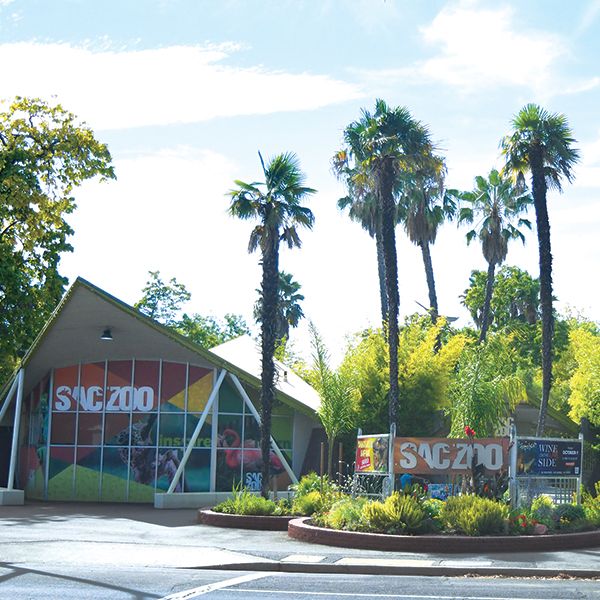
Growing Pains
For more than 40 years, the Sacramento Zoo has tried to figure out how to grow its footprint in William Land Park.
Weeks before the zoo celebrates its 100th birthday, the beloved family attraction won City Council approval to review its latest expansion plans.
But a bigger zoo isn’t a done deal. The community may wait another 10 years before the facility welcomes guests into a new, enlarged environment.
Take This!
At last, the wheels of justice turn for public access to the Sacramento River.
After stalling for 51 years, the city is grabbing easements via eminent domain along the Pocket levee. The process shuts down outrageous claims by property owners who think they own the river.
The eminent domain process ends a half-century fight by homesteaders near the levee to stop the city from completing the river parkway bike trail.
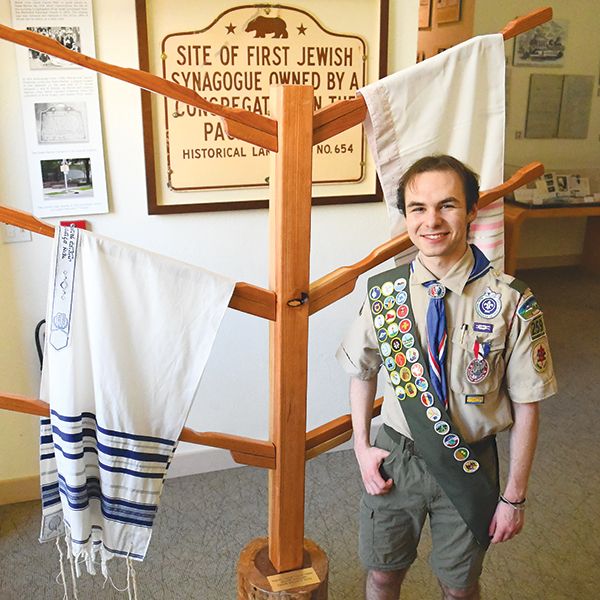
Pocket Life October 2026
Find out what is going on in Pocket during the month of October!

Covered Up
Since our first edition in 1996, Inside has published an estimated 1,400 works by approximately 400 artists. Because each of our four editions carries its own cover, we showcase an extraordinary range of paintings, photographs and mixed media.
From the start, I’ve selected every cover image. Of all the jobs involved in publishing Inside, curating cover art is my favorite. It satisfies a creative need. Selecting art and writing for the publication bring tremendous pleasure.

Common Ground
People dislike two things: change and the way things are. Anyone who serves on a city council quickly learns this contradiction.
Residents complain about vacant buildings, traffic, homelessness and a lack of affordable housing. Then someone proposes redeveloping a nearby property and groups organize to oppose it.
Councilmembers must navigate this environment.
Experience Counts
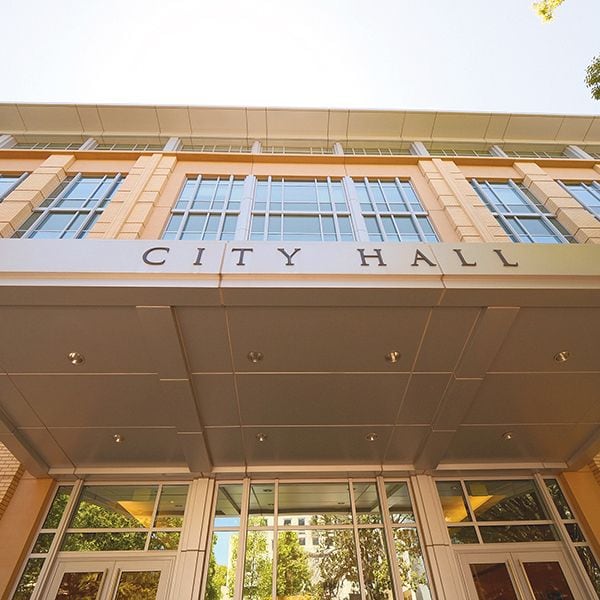
Voters get to skip the chore of picking a new City Council in November. The city election was canceled, blessedly, when all four incumbents won their seats in the June primary.
I don’t always fall for incumbents. Council shakeups can be good. But this year, after talking to some of the people who wanted to replace them, I knew incumbents were the way to go.
Several people who ran against City Council incumbents didn’t know much about city government. They didn’t know how municipal budgets work, didn’t understand the difference between what labor unions expect and what’s best for the public, didn’t grasp why zoning decisions are paramount.

Essential Simplicity
For Susan Poirier, the artistic journey toward minimalist abstraction is about uncovering what matters.
Born in Boston and shaped by a childhood of travel, Poirier spent much of her professional life as a critical-care nurse and educator. Now she maintains a disciplined routine, often spending days working in her home-based Carmichael studio surrounded by canvases in various stages of development.
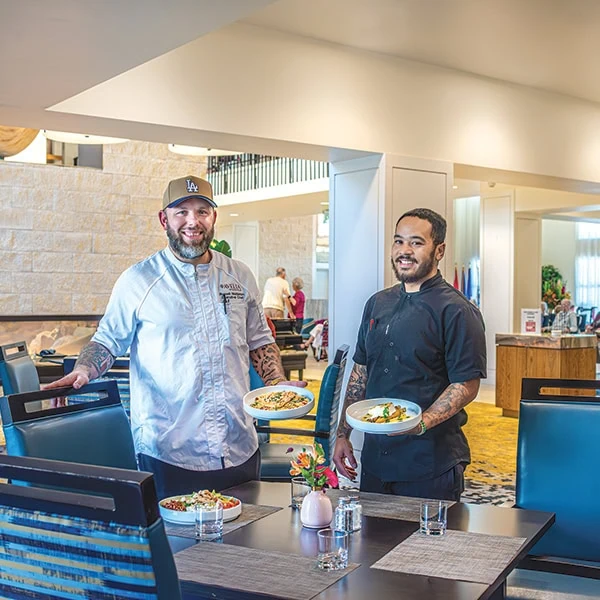
No Age Limit
The farm-to-fork movement shows us how to eat in a healthy, local way. We enjoy food co-ops, farmers markets and restaurants that cook with regional produce, fruits and meats.
But what happens as we grow older? When we can’t or don’t want to for ourselves?
The latest farm-to-fork evolution involves senior living, retirement communities and nursing homes. They are embracing the farm-to-fork movement.
I met two chefs, Russell Middleton and Anthony Vo, who run the kitchens at Avella, a senior community in Roseville. We discussed how they incorporate healthy, local food into their menus.

Door Prize
If you see a new well-designed, affordable apartment complex or hear a spirited conversation about how to get reasonably priced housing built, odds are John Vignocchi and his Urban Capital firm are involved.
Vignocchi, 39, has a solid reputation for creativity and commitment to building “workforce housing” people can actually afford.