Aug 28, 2026
In an essay called “A Case for Beauty in Our Cities,” Walker Larson argues beauty is not a luxury in urban life, but a necessity. Beauty, he writes, helps humans flourish. It anchors us, uplifts and reminds us that our environment matters.
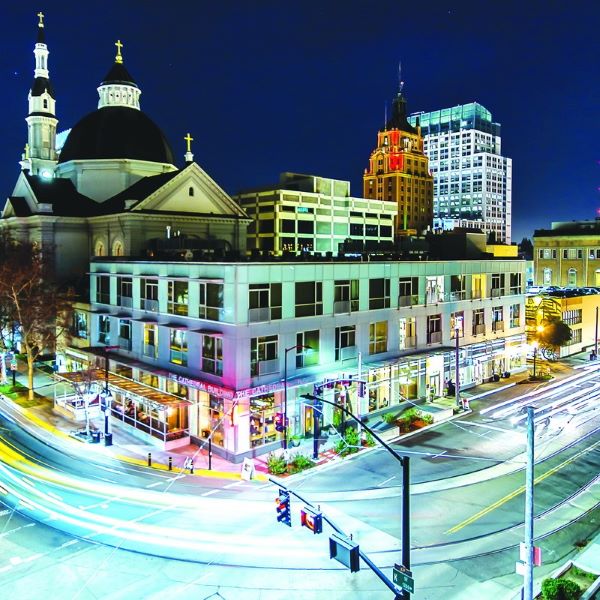
As I read Larson’s words, I thought about Sacramento—our blocks, parks, skyline, neighborhoods and mismatched corridors of brilliance and blight.
Beauty may not be the first word outsiders use to describe Sacramento. Yet anyone who has built a life here knows we have a beauty all our own. The challenge is choosing to create more of it when opportunities arise.
Jul 28, 2026
When people ask what makes Inside Sacramento successful after more than 30 years, I give the same answer: Local partnerships.
Yes, we publish local journalism. We tell stories about neighborhoods, people, businesses and public issues. But at our core, Inside Sacramento has always been about connecting people.
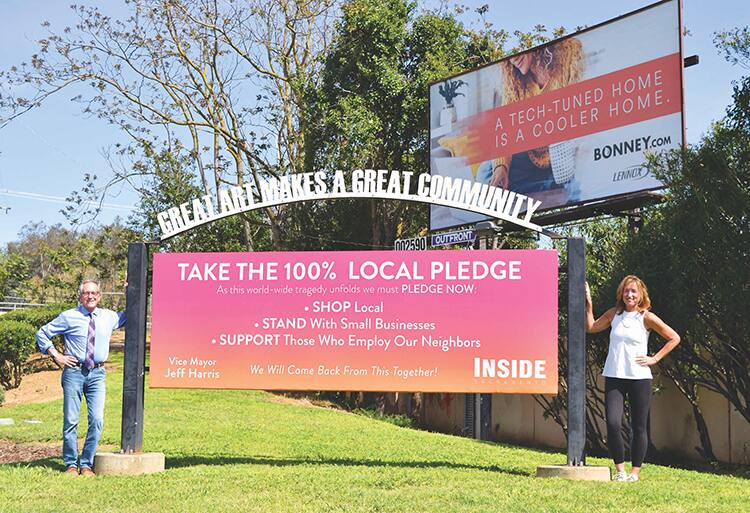
For three decades, we have been fortunate to partner with hundreds of nonprofits, schools, arts organizations, neighborhood groups and civic leaders who share a common goal—making Sacramento a better place to live.
Jun 28, 2026
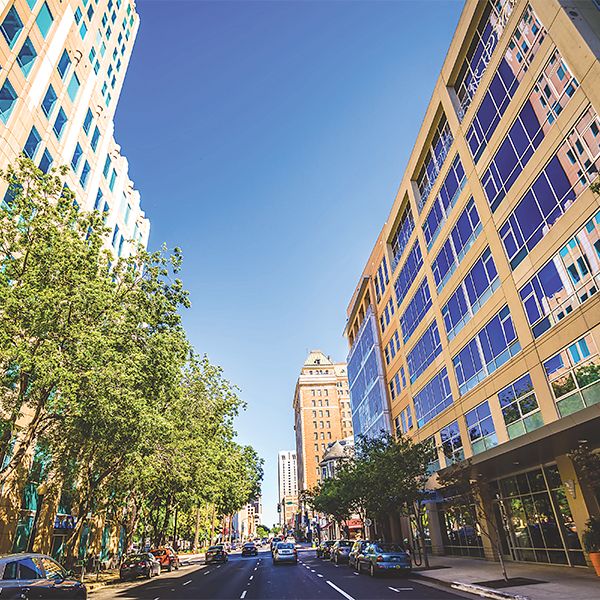
As cities rethink their urban cores, a new paradigm emerges: vibrant, walkable downtowns that feel like neighborhoods, not just business districts.
In “The Great Downtown Renaissance,” a recent piece in Dwell magazine, urbanists emphasize successful revival requires more than office towers and event districts. It demands thriving public spaces, mixed-use housing and a genuine sense of community.
Orlando, Indianapolis and Houston are reimagining their downtowns as places where people live, work and play. This “renaissance” is aimed at reversing decades of postwar planning that emptied city cores, prioritized cars over pedestrians and made downtowns ghost towns after 5 p.m.
May 28, 2026
Recently I read an essay about the “third place.” The idea has been around for years. Our first place is home. Our second place is work. The third place is everything in between, the locations where we gather, linger and connect.
Sacramento has always had strong third places. But we can no longer assume they will sustain themselves.
Think about a Saturday morning at the Midtown Farmers Market or Sunday morning under the freeway. Strangers stand together and sample citrus, buy flowers and debate which bakery line is shorter. Everyone participates and builds familiarity and a sense of trust.
Apr 28, 2026
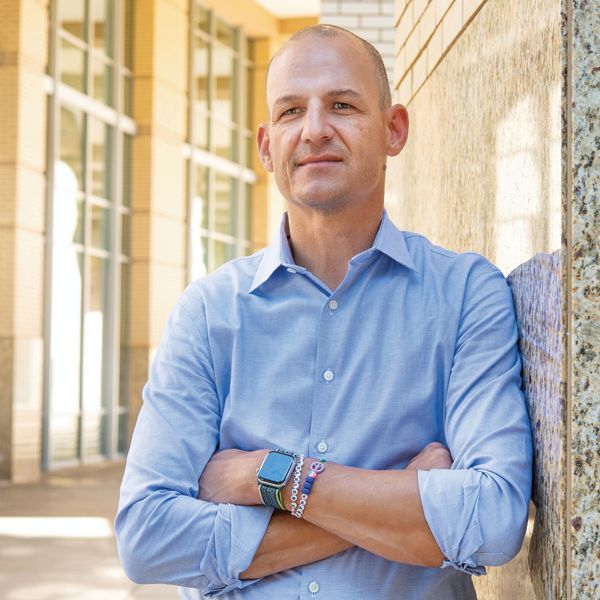
With his years on City Council and the state Assembly, Kevin McCarty brings more than two decades of elected public service to the mayor’s office.
He says being mayor requires a different perspective.
After 15 months in his new job, McCarty invited me to City Hall for what he called a “one-year check-in.” We discussed homelessness, Downtown’s recovery, government efficiency and what surprised him most about being mayor.
We began with homelessness. “There’s no question it’s the issue I deal with every day,” McCarty says.
Mar 28, 2026
In February, I wrote “30 Years in Print,” recalling how Inside Sacramento began as a neighborhood experiment and grew into the largest print circulation publication in Northern California, with 80,000 copies of each monthly issue delivered to homes, helping to define our community.
The milestone was celebratory and sobering.
For three decades, Inside Sacramento has been 100% advertising supported. We don’t charge for the magazine. No subscription requirements or paywalls. Our model is simple. Local businesses invest in reaching local readers. We deliver high-quality journalism, storytelling and photography to the neighborhoods we share.
But the media landscape has changed.