Sep 30, 2026
For more than 40 years, the Sacramento Zoo has tried to figure out how to grow its footprint in William Land Park.
Weeks before the zoo celebrates its 100th birthday, the beloved family attraction won City Council approval to review its latest expansion plans.
But a bigger zoo isn’t a done deal. The community may wait another 10 years before the facility welcomes guests into a new, enlarged environment.
Sep 28, 2026
At last, the wheels of justice turn for public access to the Sacramento River.
After stalling for 51 years, the city is grabbing easements via eminent domain along the Pocket levee. The process shuts down outrageous claims by property owners who think they own the river.
The eminent domain process ends a half-century fight by homesteaders near the levee to stop the city from completing the river parkway bike trail.
Sep 28, 2026
Find out what is going on in Pocket during the month of October!
Aug 28, 2026
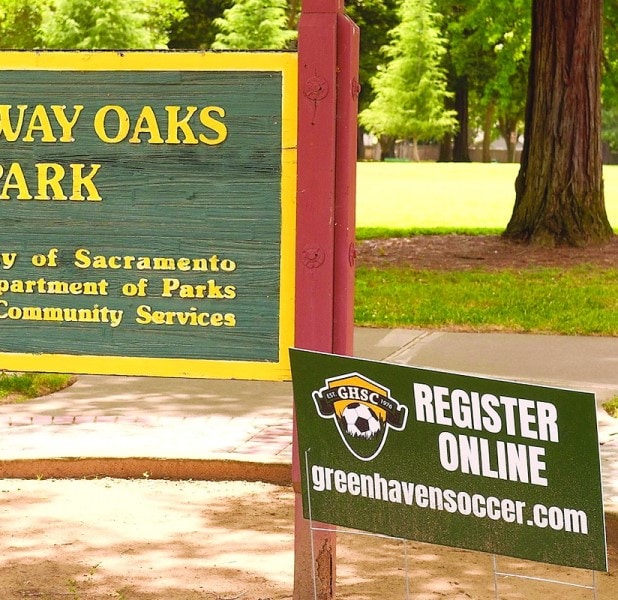
The numbers don’t mean anything. Not the 50 years, not the final scores, not the cumulative sums of families served and participation trophies handed out.
What matters is Greenhaven Soccer Club’s steady presence as a community unifier, the glue that holds people together.
For a half-century, the soccer club has taken children shy and awkward, children blessed with athletic grace, children who would rather pick daisies, and kitted them out in kelly green shirts and shorts and brought them together for weekend celebrations.
Aug 28, 2026
Find out what is happening in Pocket during the month of September!
Jul 28, 2026
Just when I thought the story about public access to the Sacramento River Parkway was winding down, losing its punch, along comes the Central Valley Flood Protection Board to restore the outrage.
The useful idiots at the flood board spent a month this summer agonizing over four property owners who want to build permanent fences across the levee top in Pocket and Little Pocket.