

One unaltered cat and her offspring can produce 100 kittens in two years. An unaltered dog and her offspring can give birth to more than 100 puppies in two years.
In just five years, 24,000 cats and dogs will be born.
Which is why Sacramento’s Community Spay Neuter Clinic is so important.
The clinic alters approximately 60 cats and 10 dogs a day, four days each week. That’s 12,000 pets a year not reproducing, not adding to the overpopulation, not straining overburdened animal shelters.

The nonprofit spay/neuter clinic launched in 2019 next to the county’s Bradshaw Animal Shelter. Open Monday through Thursday, the clinic provides spay/neuter surgeries primarily to owned dogs and cats.
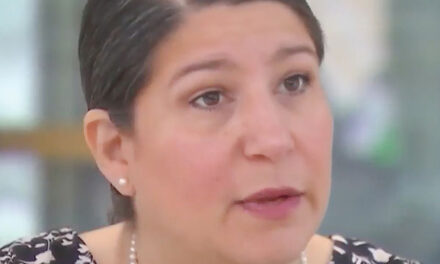
“If we can get owners’ animals fixed, fewer animals are going to get dumped or end up at shelters,” says Maria Naumann, the clinic’s executive director.
Ten spots a week are reserved for Bradshaw shelter cats. The clinic uses Bradshaw to fill no-shows and cancellations, and works with animal rescue groups. Naumann reports that earlier this year, the city’s Front Street Animal Shelter elected not to renew its contract with Community Spay Neuter Clinic.
The clinic is fee-based with $1.3 million in income last year. Dog spays/neuters range from $200 to $300, depending on size. Cats are $100.
The clinic provides vaccines, microchips, wound care, heartworm tests, and flea and heartworm prevention, but only in conjunction with spaying/neutering.
For additional services, “there is an extra charge to the client, but not even close to what a regular vet would charge,” Naumann says.
Dogs and cats must be 8 weeks old and at least 2 pounds. Small breeds, such as chihuahuas, must weigh a little more. The clinic does not accept dogs more than 5 years old or more than 80 pounds, and cats more than 7 years old.
“The surgery is riskier the older they get,” Naumann says. “We are high-volume, so they have to be a good candidate for surgery. An iffy candidate could put us behind.”
Mondays are reserved for trappers who manage colonies of feral cats (also known as community cats). “Our purpose is to close down colonies, stop them from growing,” Naumann says.
Trappers pay nothing. Friends of Front Street, the nonprofit that supports the city’s animal shelter, sponsors 50 surgeries every Monday. Bradshaw Animal Shelter pays for 15.
For people who have one or two neighborhood ferals to fix, the clinic accepts 15 trapped cats every Tuesday, Wednesday and Thursday.
Staff greet owners in their cars for drop off and pick up, a system initiated during the pandemic. “We can get 70 animals in here in less than half an hour,” Naumann says.
Colony trappers call the clinic for appointments. For owners, an online calendar opens at 7 a.m. on the first Monday of every month for appointments for the following month. This means spays/neuters are booked four to eight weeks out.
Appointments, especially for dogs, fill up fast. For people who can’t get an appointment, Naumann says, “keep trying.” Owners can call the clinic to be added to a waitlist for cancellations and no-shows, but the list starts fresh at the beginning of each month.
Currently open four days a week, the clinic has a vision to operate seven days a week. “Whether we get there or not depends on if we can get the staff,” Naumann says.
To get to seven days a week, the clinic is applying for grants earmarked for growth to offset revenue loss from fewer spays/neuters during staff training, while facing a larger payroll and increased supplies.
Community Spay Neuter Clinic and Sacramento SPCA are the area’s resident high-volume, low-cost options for altering pets. SSPCA spays/neuters an average of 19,400 animals a year.
But both clinics have monthslong waits for appointments.
“Not enough resources are going to spay and neuter,” says Naumann, a former Sacramento County animal control officer, with management experience at two veterinary hospitals. She calls for more collaboration among clinics, shelters, rescue groups and trappers.
“There has to be a way to bring everybody to the table and figure it out. Because what’s happening right now is not working,” Naumann says. “If we can pivot a little bit, make changes and actually work together, it would be amazing.”
To donate, volunteer or make an appointment, visit communityspayneuter.com.
Cathryn Rakich can be reached at cathrynrakich@gmail.com. Follow us on Facebook and Instagram: @insidesacramento.