

At last, the wheels of justice turn for public access to the Sacramento River.
After stalling for 51 years, the city is grabbing easements via eminent domain along the Pocket levee. The process shuts down outrageous claims by property owners who think they own the river.
The eminent domain process ends a half-century fight by homesteaders near the levee to stop the city from completing the river parkway bike trail.

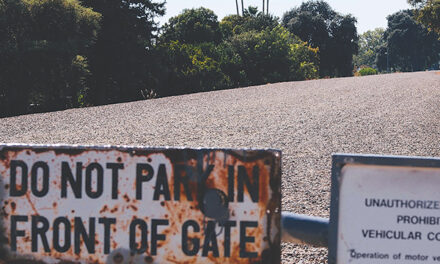
Photo by R.E. Graswich
Once finished, the trail will run from Old Sac to Bill Conlin Youth Sports Complex on Freeport Boulevard. No more gates and fences.
City Hall officials tell me—promise me—the eminent domain process begins around October and runs into next year. Takings will work their way upriver, first Garcia Bend Park to Arabella Way, then to Zacharias Park and Little Pocket.
Property owners can’t stop eminent domain. They can’t stonewall. Their offensive fences will be gone. Forever.
The process works fast. The city files paperwork, opens escrow accounts for payouts and takes whatever easements engineers need to finish the bike trail.
Eminent domain is the last act in a morality play that dates from the early 1900s, long before suburbia swallowed farmlands south of Land Park.
Two great urban designers—Fredrick Law Olmsted Jr. and John Nolen—told the city to secure land along the Sacramento and American rivers for parks and public access a century ago.
The city mostly ignored them. Had anyone listened, the Sacramento River bike trail would have opened in 1975.
Instead, private developers subdivided Pocket, Greenhaven and Little Pocket and created a patchwork of questionable easements along the levee. In some cases, developers drew property lines halfway across the river to Yolo County.
Property lines slicing across levees, navigable rivers and ocean beaches became illegal in the early 1970s. But the damage was done.
Meantime, property owners near the levee had allies at City Hall, friends who supported unproven claims about levee easements. City officials stood by when property owners erected fences and gates and blocked public access to the levee and river.

A dozen years ago, new City Council members—Darrell Fong, then Rick Jennings—decided it was time to finish the bike trail. Faced with sudden political opposition, the property owners shifted tactics.
They portrayed themselves as victims. They predicted their backyards would be overrun when levee fences came down. Police data proved such claims were nonsense.
From there, several property owners threatened to sue state flood officials for letting people walk on the levee.
That’s where things stood this summer when the state’s Central Valley Flood Protection Board agreed to allow four new fences in Pocket and Little Pocket.
Flood board members didn’t coherently explain their decision. They cited safety worries by property owners. But the flood board isn’t a security agency. Four new fences soon blocked levee access at Surfside, Riverlake and Clipper ways in Pocket and Piedmont Drive in Little Pocket.
The city protested the new fence permits. The flood board granted them anyway, humiliating City Hall, slowing emergency response times and abdicating the state’s duty to serve the public.
But here’s another way to look at the civic embarrassment over levee fence permits. By acting irresponsibly, the flood board motivated the city to kickstart eminent domain. The bike trail wins.
R.E. Graswich can be reached at regraswich@icloud.com. Follow us on Facebook and Instagram: @insidesacramento.