

Bank On It
Food pantry produces its own groceries
By Gabrielle Myers
May 2026
At the Orangevale and Fair Oaks Food Bank Farm, I watch volunteers reach for boxes and sort homegrown lettuce, broccoli and oranges grown on local trees. Canned goods and cartons of milk donated by local stores are readied for clients.
The food bank and farm bring together the best selections from the region’s bounty.
Let’s meet Brad Squires, CEO of the Orangevale-Fair Oaks Community Foundation, Angela Lee, director of foundation operations, and farm manager Lacey Yuke. Together they maintain the food bank and farm with other members and volunteers.
The nonprofit organization transformed a gravel parking lot into an acre that produces healthy food for the community.
The food bank started in 2011. The farm was born five years ago. Today the organization serves more than 1,200 families each month.
The farm holds about 80 crops. Variety brings a range of choices. A single acre shows how the farm-to-fork philosophy serves all income levels with dignity and love.
Yuke used to manage a 1,000-acre farm. With just 1 acre to look after, she “fine-tuned succession planting to boost yields from 10,000–15,000 pounds in previous years to 35,000 last year,” she says.
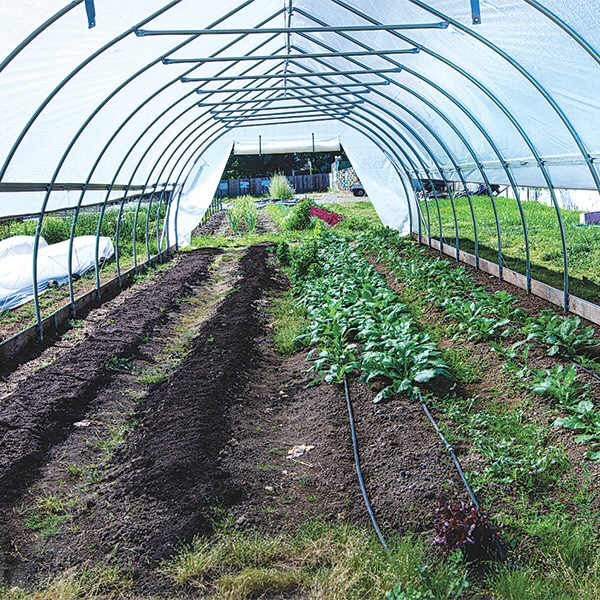
In winter and early spring, the farm produces cauliflower, leafy green kale and lettuce, peas, artichokes, onions, favas and strawberries. Summer brings juicy heirloom tomatoes, eggplants, peppers and corn. Fall ushers in sweet potatoes, pumpkins, beets, carrots and winter squash.
Yuke follows mostly organic practices but turns to fertilizers to produce as much as possible given her limited land. Pesticides are used sparingly, she says. “We tend to focus on prevention and keeping the bad bugs out.”
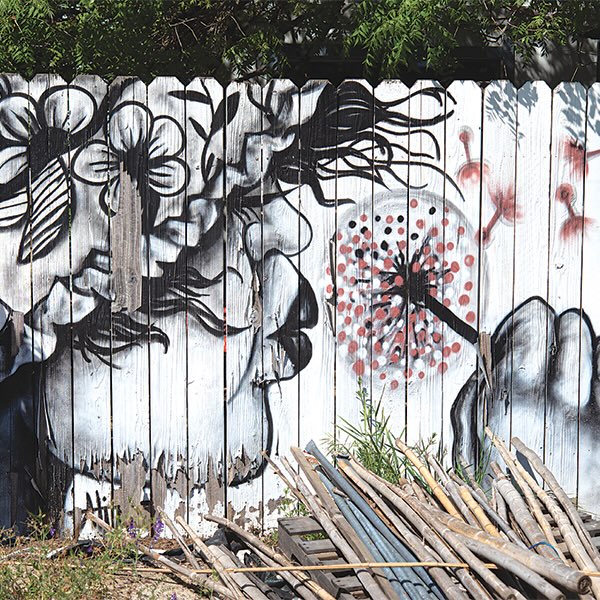
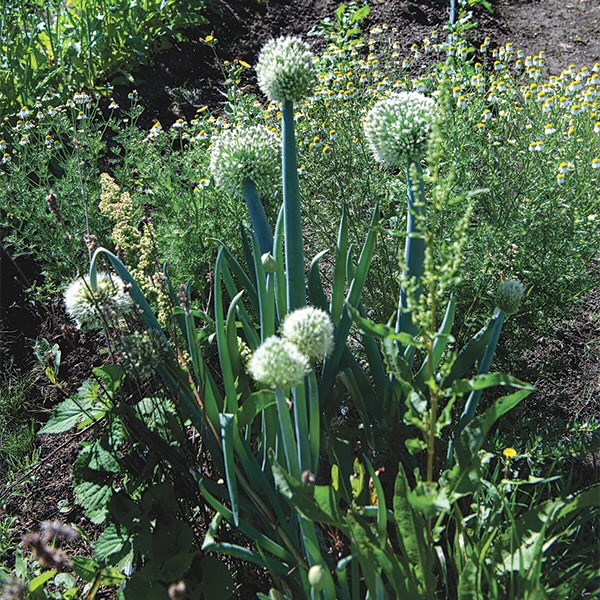
Interspersed with wildflowers and pollinating flowers, garden rows welcome beneficial insects to help boost the farm’s fertility. Rows of summer sunflowers bring more pollinators and act as a refuge for predatory insects.
The team will start a composting program this season. In years past they received free compost from the county.
Squires says the food bank and farm aim to have “as little waste as possible.” Leftover produce goes to local farmers who feed it pigs, goats and chickens.
Farm produce is distributed to food bank recipients. Locals can sign up for veggie box subscriptions for $25 biweekly donations. In the summer, they get a box with produce and recipes crafted by Lee every other week.
The organization has a farm stand on Main Avenue, open nine months annually. Lee helps manage the stand. “This is a place where the community can learn about the farm and be brought into our efforts,” she says.

Every summer, Lee and Yuke offer a farm camp where kids learn to grow fruits and veggies. Scholarships are available.


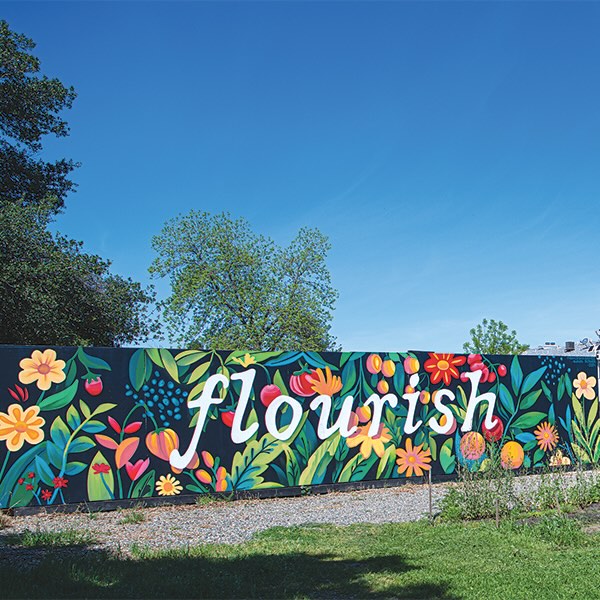
The farm is a community effort. In partnership with Casa Roble High School Future Farmers of America, the farm uses the campus greenhouse for seedlings that are transplanted into garden rows.
The farm and food bank rely on about 25 volunteers. The nonprofit hopes to build that cadre into about 30 volunteers who return each season.
Squires wants to help other local food pantries build farms. “We can offer advice, direction and our expertise,” he says. “There’s good land everywhere in our region.”
For information about the Orangevale and Fair Oaks Community Farm and Food Bank, visit foodbank.farm and consider volunteering or attending the group’s October fundraiser dinner.
Gabrielle Myers can be reached at gabriellemyers11@gmail.com. Her latest book of poetry, “Points in the Network,” is available at finishinglinepress.com. Follow us on Facebook, X and Instagram: @insidesacramento.