Aug 28, 2026
In an essay called “A Case for Beauty in Our Cities,” Walker Larson argues beauty is not a luxury in urban life, but a necessity. Beauty, he writes, helps humans flourish. It anchors us, uplifts and reminds us that our environment matters.
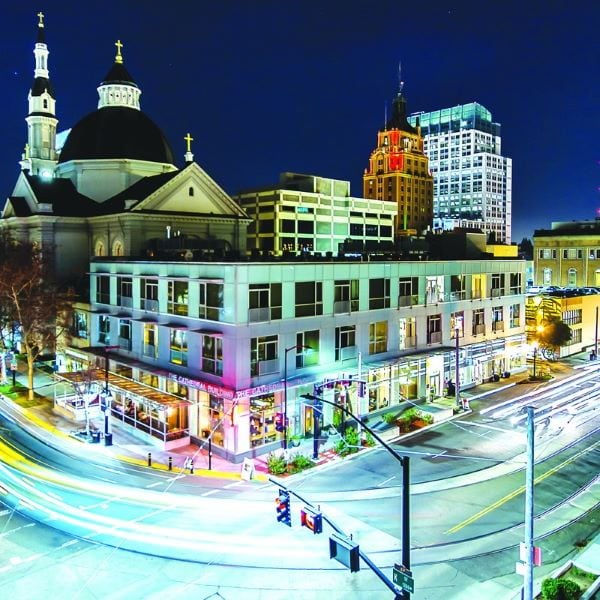
As I read Larson’s words, I thought about Sacramento—our blocks, parks, skyline, neighborhoods and mismatched corridors of brilliance and blight.
Beauty may not be the first word outsiders use to describe Sacramento. Yet anyone who has built a life here knows we have a beauty all our own. The challenge is choosing to create more of it when opportunities arise.
Aug 28, 2026
Sacramento is a foolish, stubborn place. The city spends millions on separated bicycle lanes that many cyclists hate. Yet the city won’t spend a dime on signs telling riders to keep off sidewalks when pedestrians are around.
I gave up long ago expecting innovation from City Hall. Even when I worked for Mayor Kevin Johnson, our best ideas came from elsewhere. For Kevin, elsewhere meant Mike Bloomberg of New York and Antonio Villaraigosa of Los Angeles.
Kevin liked to think big. He loved the concept of “world class.” He borrowed ideas to improve public schools, solve homelessness, and fund arts and culture. Most of his ideas fizzled out by the time he left office in 2016. But at least he tried.
Aug 28, 2026
Gov. Gavin Newsom calls high housing costs “the original sin in the state of California.” Now we’re finally getting serious about redemption.
A flurry of public policy activity has housing advocates hopeful that real progress is underway. Even Congress, which tends to stay out of the housing debate, has acted.
Other than the Federal Reserve periodically lowering interest rates, there hasn’t been much done nationally to make housing more attainable. Most housing policies are set at state and local levels.
In June, President Donald Trump put his stamp of sorts on the issue by abruptly canceling his signing ceremony for a rare piece of bipartisan housing legislation that could move the needle in favor of consumers.
Aug 28, 2026
Pastry chef Ginger Elizabeth Hahn grew up in the Camino foothills. As a young girl, she walked with her dog and picked blackberries. When her mom came home, they made blackberry pies.
“That’s where I really fell in love with pastry arts,” Hahn says. “I realized you could create something in 5 minutes, like you’re an alchemist. But the fruit had to be perfect.”
Hahn’s commitment to perfect local ingredients continues today. She shows her passion for Northern California fruit, nuts and oils at her Ginger Elizabeth Chocolates shops in Midtown and Folsom.
Almonds from Alison’s Organics in Orland turn up in Hahn’s almond pralines, almond rocher bonbons and almond rocher chocolates. Alison Ryan runs 24Carrot Farm in Placerville. Says Hahn, “I love everything about their farmstand.”
Aug 28, 2026
Jamaicans are fewer than 0.1% of the local population. But that’s enough to make Sacramento home for two Jamaican restaurants that bring home the flavors, culture and joy of the Caribbean island’s cuisine.
Rockyaad Jamaican Restaurant on Fair Oaks Boulevard doesn’t look like much from outside. But open the door and find an expansive, brightly lit dining room full of sound, color and the smells of Jamaican cooking.
The cuisine shares many ingredients with its Caribbean neighbors, such as plantains, rice and beans, brightly flavored fish and chicken, and long-stewed beef. But Jamaican cooking is a speciality all its own.
Aug 28, 2026
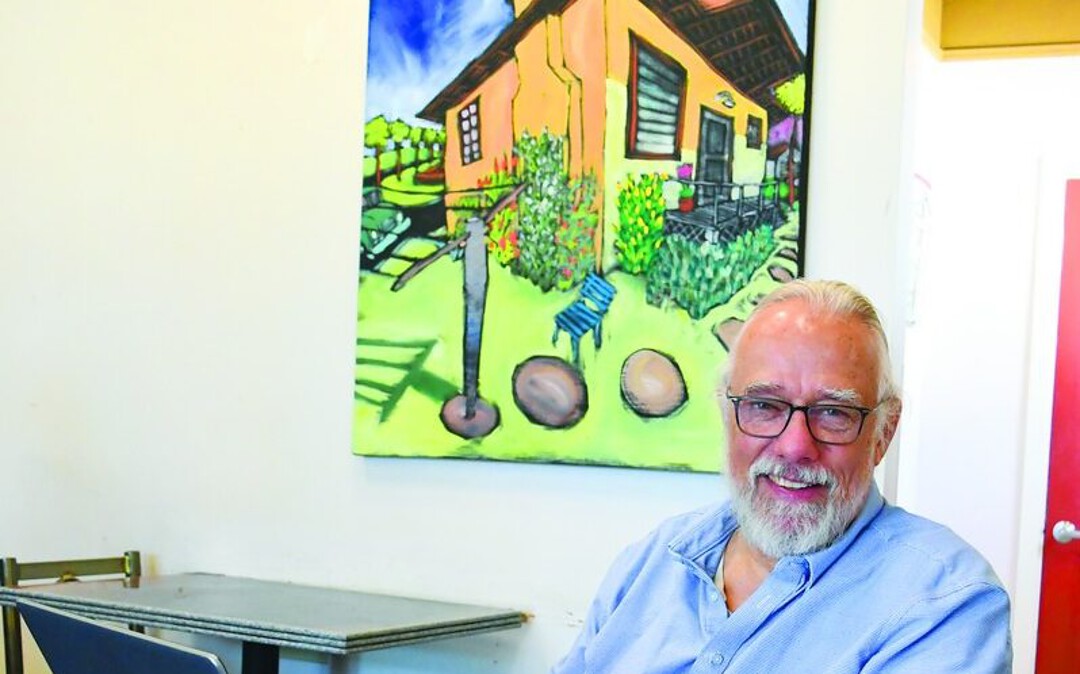
The table at Coffee Works in East Sacramento is filled with papers, folders, index cards, markers, pens, a laptop and ruler. Each has a purpose.
It’s the mobile workplace of Ken Cross. There’s room for a cup of coffee and a muffin, just barely.
Nearly 12 years removed from retirement as CEO of Habitat for Humanity of Greater Sacramento, Cross, 74, thrives on being busy. He combines work away from home with the joy of conversation.
The West Point graduate began his Army career more than 50 years ago. He’s transitioned many times, sales to service, volunteerism to senior education.