City Realist
Common Ground
People dislike two things: change and the way things are. Anyone who serves on a city council quickly learns this contradiction.
Residents complain about vacant buildings, traffic, homelessness and a lack of affordable housing. Then someone proposes redeveloping a nearby property and groups organize to oppose it.
Councilmembers must navigate this environment.

Stay On Track
Not every important City Hall vote is about politics. Sometimes it’s about whether roads get built, utilities get installed and neighborhoods take shape.
The City Council’s upcoming vote on the Railyards Enhanced Infrastructure Financing District is one such moment.
The Railyards are a generational urban redevelopment opportunity. Thousands of homes, businesses, parks, roads, a hospital and public spaces are coming. But they need one thing before anything else can happen: infrastructure.
That’s why the city created an Enhanced Infrastructure Financing District there.
I helped establish the original Railyards infrastructure financing deal while serving on the City Council. It was a first for Sacramento.

Balancing Act
Balanced budgets deserve recognition. The City Council closed a $66 million deficit this summer but weakened its economic safety net in the process.
City Manager Maraskeshia Smith, Finance Director Pete Coletto and councilmembers deserve credit for making tough decisions that produced meaningful efficiencies.
Consolidating departments, streamlining operations and reducing long-term homelessness expenditures are structural changes taxpayers should expect. Those savings aren’t temporary. They improve the city’s financial position for years to come.
The budget eliminates about 101 positions and increases fees for many services.

Dollars And Sense
Every city has pressure points. In Sacramento, one point is the growing disconnect between what the city spends and what it can afford.
Sacramento Regional Business Leaders Council steps into this discussion with a clear voice. Formed in 2012, the group is a roughly 60-member coalition of business leaders from banking, manufacturing, agriculture and development. Its focus is how governmental decisions affect the cost and feasibility of doing business in the region.
Its chief executive is John Vignocchi, a local affordable housing developer. He explains, “We’re trying to help Sacramento realize its full potential through advocating for common-sense government policies.”

Qualifications, Please
Sacramento County’s District 1 supervisor June primary election has four candidates. Question is, are they qualified?
Each prospect offers a version of leadership that sounds reasonable in isolation. But elections aren’t about isolated promises. They’re about tradeoffs, priorities and the complex realities of governing a large, diverse and financially constrained bureaucracy.
Then there’s Senate Bill 802, introduced by state Sen. Angelique Ashby. If it becomes law, the management of homelessness and affordable housing will change significantly.
The bill proposes a joint powers authority to oversee homelessness and housing policies, shifting decision-making away from the county into a regional body.
Where do the candidates stand?

Polling Opposites
Given the mayhem and dysfunction in Washington, congressional midterm elections take on extra significance.
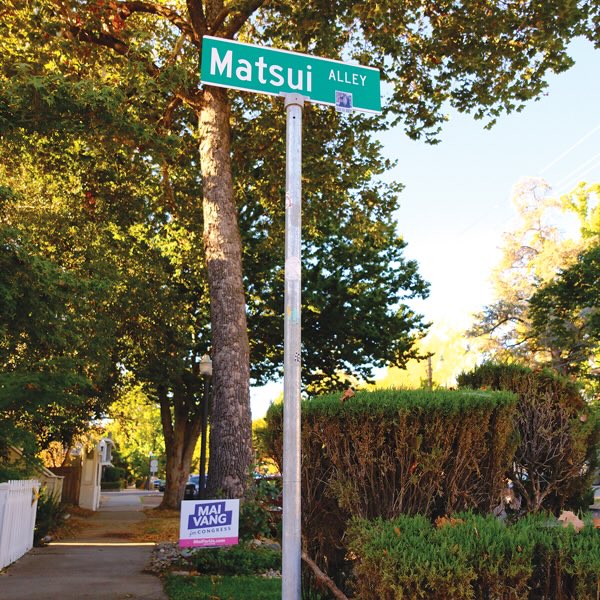
In Sacramento County, the California 7th Congressional District finds incumbent Doris Matsui challenged by City Council Member Mai Vang. It’s the first time in 21 years Matsui meets a serious opponent.
I worked with both candidates during my time on City Council. The contrast between Matsui and Vang is stark. Voters get to choose between a dynastic, legendary figure in city politics or a relative newcomer from the Meadowview suburbs.