Sep 30, 2026
Since our first edition in 1996, Inside has published an estimated 1,400 works by approximately 400 artists. Because each of our four editions carries its own cover, we showcase an extraordinary range of paintings, photographs and mixed media.
From the start, I’ve selected every cover image. Of all the jobs involved in publishing Inside, curating cover art is my favorite. It satisfies a creative need. Selecting art and writing for the publication bring tremendous pleasure.
Sep 28, 2026
People dislike two things: change and the way things are. Anyone who serves on a city council quickly learns this contradiction.
Residents complain about vacant buildings, traffic, homelessness and a lack of affordable housing. Then someone proposes redeveloping a nearby property and groups organize to oppose it.
Councilmembers must navigate this environment.
Sep 28, 2026
Voters get to skip the chore of picking a new City Council in November. The city election was canceled, blessedly, when all four incumbents won their seats in the June primary.
I don’t always fall for incumbents. Council shakeups can be good. But this year, after talking to some of the people who wanted to replace them, I knew incumbents were the way to go.
Several people who ran against City Council incumbents didn’t know much about city government. They didn’t know how municipal budgets work, didn’t understand the difference between what labor unions expect and what’s best for the public, didn’t grasp why zoning decisions are paramount.
Aug 28, 2026
In an essay called “A Case for Beauty in Our Cities,” Walker Larson argues beauty is not a luxury in urban life, but a necessity. Beauty, he writes, helps humans flourish. It anchors us, uplifts and reminds us that our environment matters.
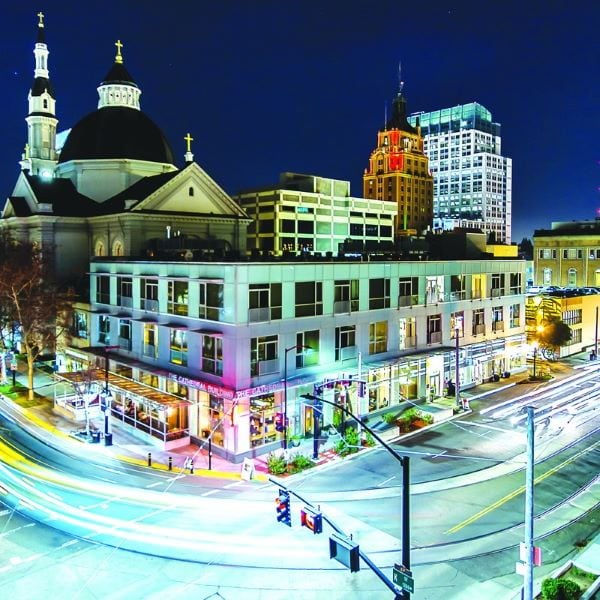
As I read Larson’s words, I thought about Sacramento—our blocks, parks, skyline, neighborhoods and mismatched corridors of brilliance and blight.
Beauty may not be the first word outsiders use to describe Sacramento. Yet anyone who has built a life here knows we have a beauty all our own. The challenge is choosing to create more of it when opportunities arise.
Aug 28, 2026
Sacramento is a foolish, stubborn place. The city spends millions on separated bicycle lanes that many cyclists hate. Yet the city won’t spend a dime on signs telling riders to keep off sidewalks when pedestrians are around.
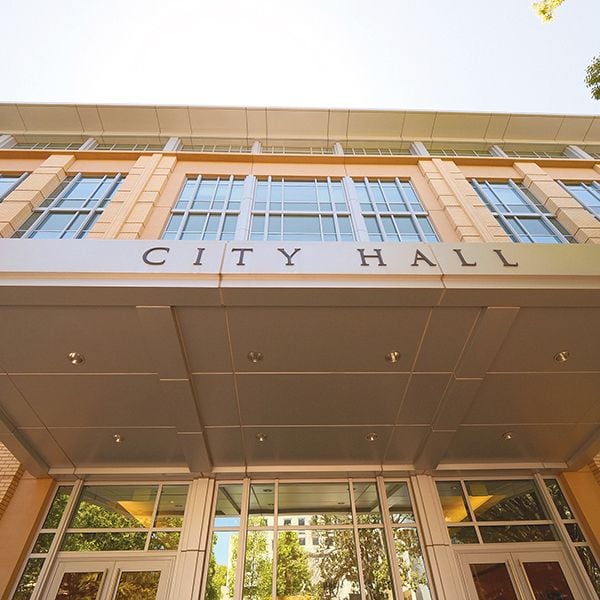
I gave up long ago expecting innovation from City Hall. Even when I worked for Mayor Kevin Johnson, our best ideas came from elsewhere. For Kevin, elsewhere meant Mike Bloomberg of New York and Antonio Villaraigosa of Los Angeles.
Kevin liked to think big. He loved the concept of “world class.” He borrowed ideas to improve public schools, solve homelessness, and fund arts and culture. Most of his ideas fizzled out by the time he left office in 2016. But at least he tried.
Aug 28, 2026
Not every important City Hall vote is about politics. Sometimes it’s about whether roads get built, utilities get installed and neighborhoods take shape.
The City Council’s upcoming vote on the Railyards Enhanced Infrastructure Financing District is one such moment.
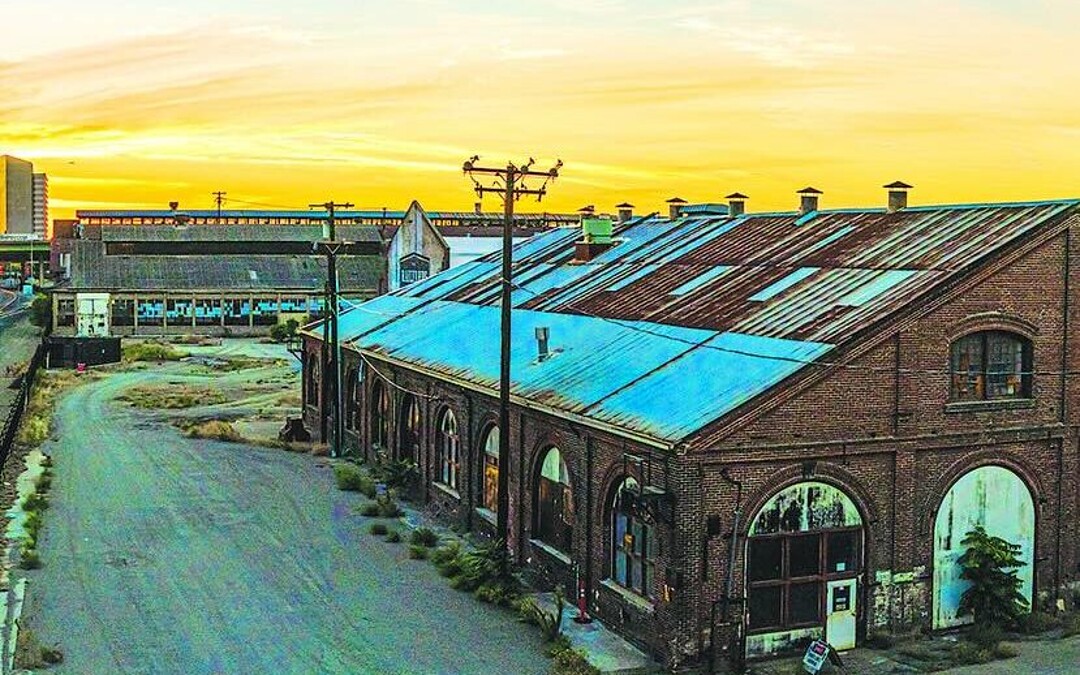
The Railyards are a generational urban redevelopment opportunity. Thousands of homes, businesses, parks, roads, a hospital and public spaces are coming. But they need one thing before anything else can happen: infrastructure.
That’s why the city created an Enhanced Infrastructure Financing District there.
I helped establish the original Railyards infrastructure financing deal while serving on the City Council. It was a first for Sacramento.