


Sacramento has always had strong third places. But we can no longer assume they will sustain themselves.
Think about a Saturday morning at the Midtown Farmers Market or Sunday morning under the freeway. Strangers stand together and sample citrus, buy flowers and debate which bakery line is shorter. Everyone participates and builds familiarity and a sense of trust.
Think back a decade ago to 33rd Street Bistro in East Sac. It was more than a restaurant. It was a neighborhood commons. City leaders, artists, retirees, young parents and business owners crossed paths there.
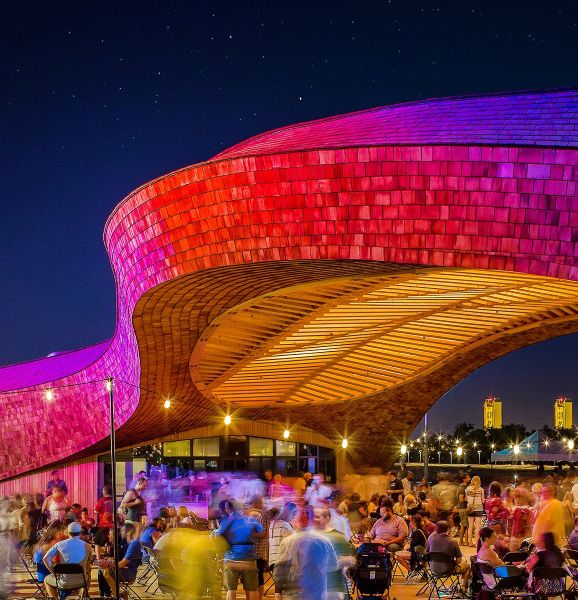
Consider the Tower Theatre. Not just a movie house, but a cultural gathering point. When the lights dim and the screen glows, a roomful of strangers share a story. That shared experience matters in ways that are difficult to quantify but easy to feel.
Land Park’s walking paths on a Sunday morning. Pocket neighborhood events at Garcia Bend Park. East Sac block parties stretching down tree-lined streets. Free-admission afternoons at Crocker Art Museum. These are our third places, connective tissues of community.
Over the past three decades, Inside Sacramento has functioned as part of the connective tissue. Delivered to 80,000 homes each month, our pages introduce neighbors to one another.
Each month, nearly 100,000 readers open these pages and encounter the same stories—about the same streets, the same debates, the same neighbors. In a time when media is increasingly individualized and isolating, that kind of shared experience is almost impossible to replicate.
When you read about the reopening of Southside Pool under Mayor Kevin McCarty, you participate in a shared civic moment. When you follow a debate over a six-story development in East Sac, you enter a neighborhood conversation.
When you learn about a new art installation in Midtown or philanthropic effort by Friends of East Sac and other local nonprofits, you see how civic life unfolds.
But across the country and here at home third spaces are under strain. Independent shops fight to stay open. Family-owned restaurants juggle rising food and labor costs.
And local publications shrink or disappear. Small businesses and medical offices are bought up by corporate interests. Advertising dollars migrate to global digital platforms that have no stake in the city’s long-term health.
When third places erode, something subtle but essential erodes with them: trust. The informal gathering places that allow us to disagree respectfully, or simply coexist, grow fewer.
Sacramento is growing. That growth brings energy and opportunity. It also brings busier schedules, longer commutes and more digital distraction. The third place becomes something we assume will always be there. But it doesn’t sustain itself automatically.
It requires participation and showing up. Sometimes it requires investment.

As we move into a new chapter for Inside Sacramento—including our nonprofit partnership model that allows readers to make tax-deductible contributions—I see this as more than a funding adjustment. It’s a reaffirmation of the third place.
Local journalism is civic infrastructure. It informs voters, documents neighborhoods and holds institutions accountable. It connects readers through shared awareness of what’s happening in their backyards.
Inside isn’t part of a national chain. We are rooted here. Our stories are about your streets, parks, schools and small businesses. Shared geography creates shared responsibility.
If you have ever saved an issue of Inside Sacramento, clipped a story about a neighbor, attended an event because you read about it in our pages or discovered a new restaurant through our reviews, you participated in the third place.
The question isn’t whether these places are valuable. It’s whether we will protect and participate in them.
Meet a friend at a neighborhood café. Attend a community meeting. Visit the Crocker. Walk Land Park. Shop at a farmers market. Read your local magazine.
Cities don’t thrive because of buildings. They thrive because of relationships. Sacramento still has a legacy of strong third places. The task is to strengthen them not with nostalgia, but with intent and action.
Readers ask how they can contribute to Inside Sacramento. Here’s how: Consider a paid supporting membership starting at $30 a year.
Cecily Hastings can be reached at publisher@insidepublications.com. Follow us on Facebook, X and Instagram: @insidesacramento.