


Long meetings. Tedious dialogue. Sitting on a government commission is thankless.
The city’s Animal Wellbeing Commission is no different. Commissioners serve because they want the best outcomes for Sacramento’s homeless pets.
The last thing volunteer commissioners need is a city spokesperson publicly accusing them of harming the animal shelter.
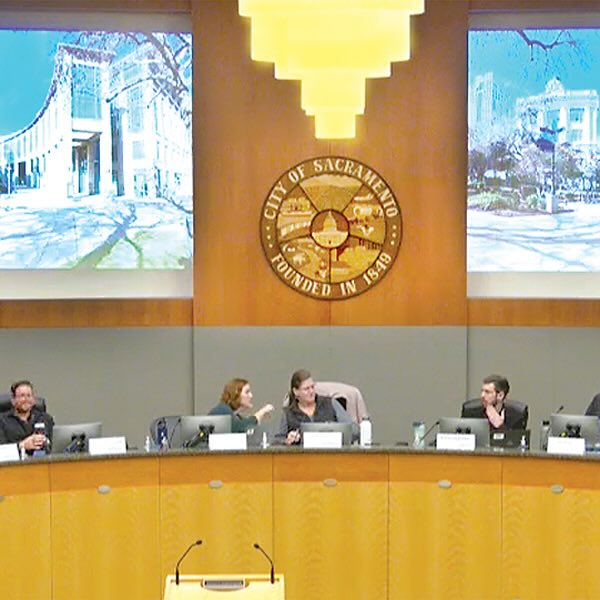
But that’s what happened at February’s commission meeting.
“I don’t think we can ignore the fact that several members of this commission have a history of attempting to publicly undermine the shelter,” shelter spokesperson Ryan Hinderman said.
When Hinderman made his accusation, he wasn’t speaking as a private citizen. He was filling in for Shelter Manager Phillip Zimmerman.
Zimmerman stopped attending commission meetings in October, then announced his resignation. He leaves in May.
The commissioners are frustrated. Month after month, their requests languish on a follow-up log, never reaching the agenda for discussion or vote.
For more than a year, Commissioner Paula Treat asked for information on euthanasia. She wants to know the reasons for killing shelter dogs and cats. In 2025, Front Street euthanized 1,823 animals.
When the public asks why an animal was euthanized, “I don’t have any answers for them,” Treat said.
In past years, agendas were decided by shelter staff in consultation with the commission chair and vice chair. That changed when new members joined the commission in January. Suddenly, only staff could place items on the agenda. Commissioners—appointed by the mayor and City Council—were locked out.
Hinderman admitted the change was made because several new commissioners criticized Front Street in the past.
“Is the (agenda) item meant to support the shelter, help the animals and bring important issues to light?” Hinderman asked. “Or is this item meant to publicly reduce the shelter’s image?”
Deputy city attorney Carsen Van der Linden spoke up for Hinderman. He said staff sets the agenda and cited the commission handbook: “City staff is responsible for preparing commission meeting agendas” and “Staff will bring issues to the commission relevant to the commission’s scope of authority.”
Commissioner Ignacio Barragan questioned the attorney’s interpretation. He objected to being “handcuffed in a way so we cannot make motions and contribute to what is ultimately on the agenda.”

Commissioner Julie Virga said, “Nowhere does it say staff ultimately determines what items are agendized for future meetings.”
Commissioner Kellee Benedict noted, “It seems odd the commission would not be able to discuss items we find to be urgent and lifesaving.”
When commissioners tried to make a motion to request monthly euthanasia stats, the city attorney shut them down. The commission cannot make a motion to “demand staff” place items on the agenda, he said, calling it the staff’s “prerogative.”
Van der Linden told commissioners the “proper mechanism” is to add items to the follow-up log. Then staff decide what goes on agendas.
“City staff are advisers who support the commission but are not the gatekeepers of meeting agendas,” Commissioner Hilary Bagley Franzoia later reported. “They do not have the authority to reject proper topics or the will of the commission members.”
With shelter staff setting agendas, critical issues are ignored. Commission Chair Jamie McDole said February’s agenda contained “none of the actionable items” the commission wanted to discuss and pass along to the City Council.
“No one is trying to undermine any shelter that cares for animals,” Bagley Franzoia said. “But we’ve seen a degradation for the last five or six years. Understand that the frustration and the negativity come with confronting nothing but arrogance and a dismissive attitude.”
In Zimmerman’s six years as shelter manager, healthy homeless animals are turned away, euthanasia for space and behavior has skyrocketed, high-volume community spay/neuter is non-existent. A city audit found unfinalized policies and procedures, hundreds of unanswered calls for animal control, and unaltered pets released to the public—the latter in violation of state law.
The Animal Wellbeing Commission advocates for homeless pets. Commissioners challenge what’s wrong or not working. Silencing commissioners because Front Street doesn’t like scrutiny should outrage city officials and the public.
As a shelter staff member, Hinderman is part of Front Street’s dysfunction and disregard for accountability. Let’s hope his new role on the dais is not an indication that the city is grooming him to take over as shelter manager.
Cathryn Rakich can be reached at cathrynrakich@gmail.com. Follow us on Facebook, X and Instagram: @insidesacramento.