

At 90, Sacramento artist Gerald “Jerry” Walburg approaches his work with the curiosity and persistence of someone who sees no reason to stop.
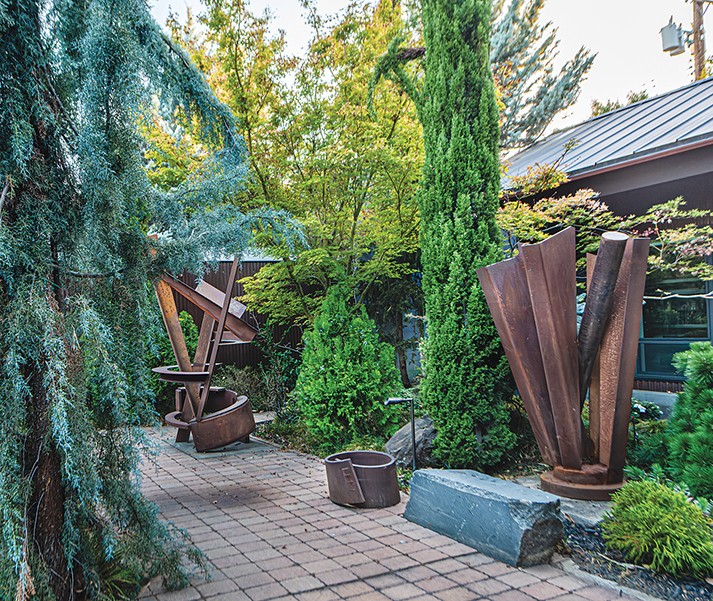
Last month, I wrote about the remarkable East Sac home and garden Jerry shaped over decades. He oversees a collection of houses, studios, sculpture gardens and gallery spaces that blur boundaries between art, architecture and landscape.
The surroundings reveal how Walburg sees the world: carefully composed, deeply personal, always evolving.
This month, I’ll focus on the artist.
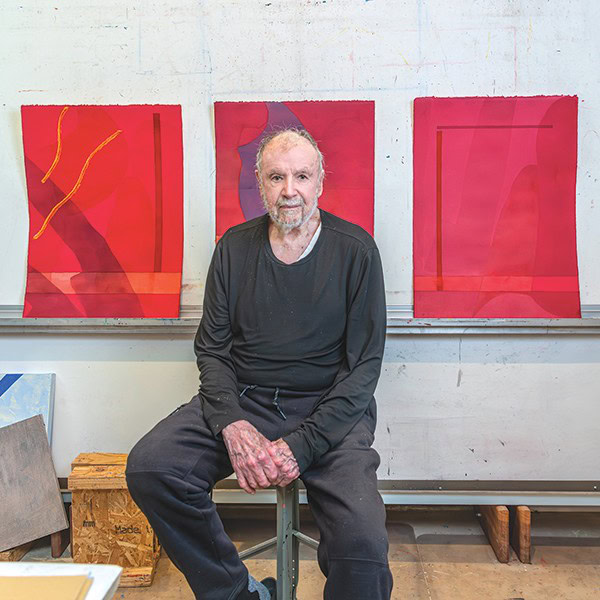
I’ve known Jerry for nearly a decade and appreciate the seriousness of his art and subtle humor, independence and determination. Those qualities guided Walburg through a six-decade career.
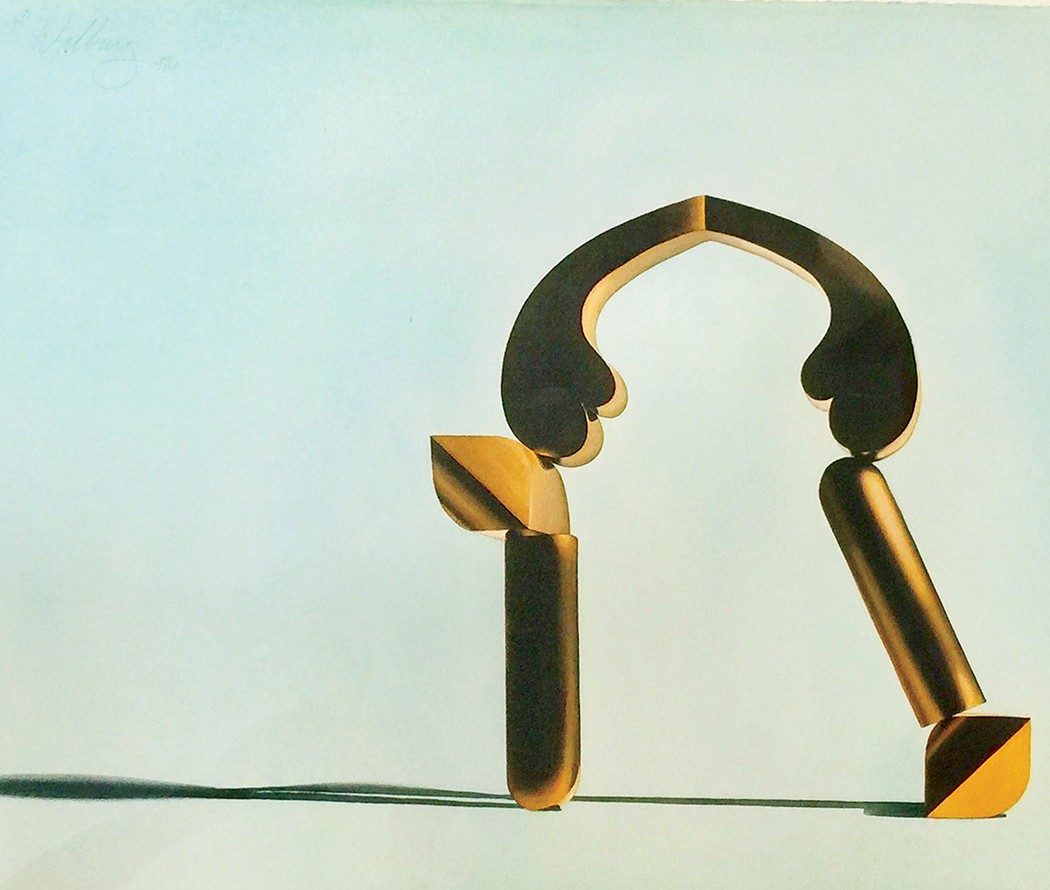
He’s best known as a sculptor, notably for Indo Arch, the steel work installed on K Street near Fourth Street in 1979. The sculpture is one of the city’s most recognizable pieces and an important part of his legacy.
But for Walburg, creating public art was less satisfying than the work might suggest.
The process surrounding Indo Arch convinced the artist he no longer wanted to chase commissions from public agencies. He served on art commissions for the city and state, which reinforced his frustration. Often the committees were dominated by people who lacked art knowledge.
“I don’t make work for this region,” he says, with matter-of-fact candor.
Independence shaped another aspect of his career. Walburg chose not to pursue long-term gallery representation. Rather than build his career around dealers, gallery schedules and the expectations of a commercial art market, he followed his own instincts.
He made the work he wanted to make and allowed his practice to evolve on its own terms.
The result is an artist whose career is linked to Sacramento, yet whose work never seemed concerned with fitting into the expectations of a region, institution or marketplace.
Walburg taught art at Sac State, influencing generations of students while continuing his studio practice. He came of age during a fertile period for Northern California art, surrounded by artists who expanded the region’s creative identity and gained national attention.
What stayed with him from those years was not one style or school of thought, but a discipline.

Walburg learned to stick with something until it was finished to his liking. He concentrated on who he was and what he knew. At the same time, he experimented and pushed for new solutions.
That philosophy hasn’t changed in his 90th year.
What has changed is the physical nature of his work. For much of Walburg’s career, sculpture involved welding, grinding, hammering and manipulating steel. It was physically demanding work that grew harder with age.

A few years ago, Walburg acknowledged the inevitability of slowing down. He still makes sculpture but works with an assistant who comes to the studio several times a week.
To describe the arrangement, he says, “I point and pay.”
His humor makes spending time with Walburg a pleasure. He can be direct and unsentimental about aging, but with no self-pity. He adjusts and goes back to work.
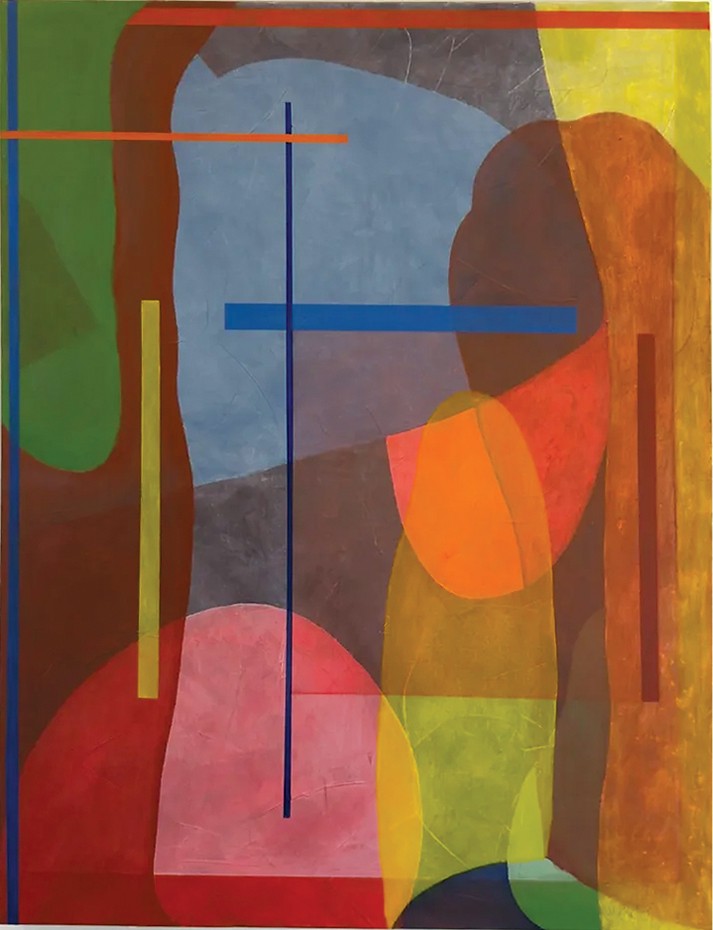
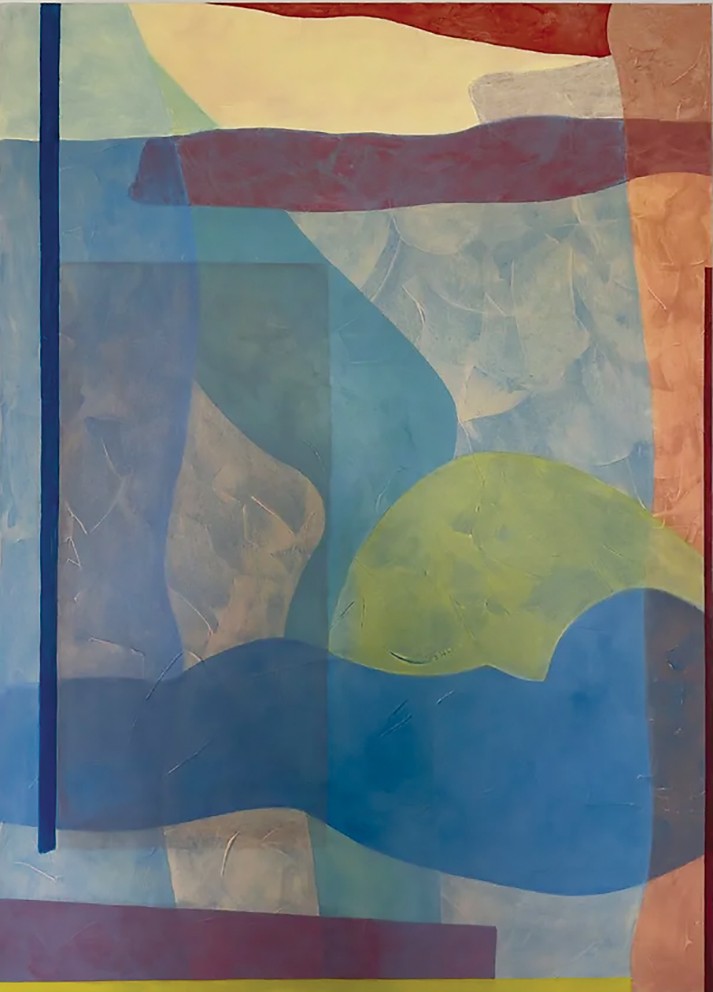
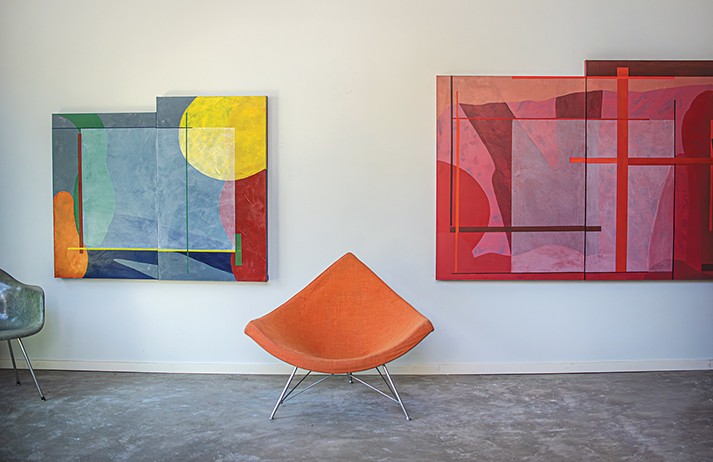
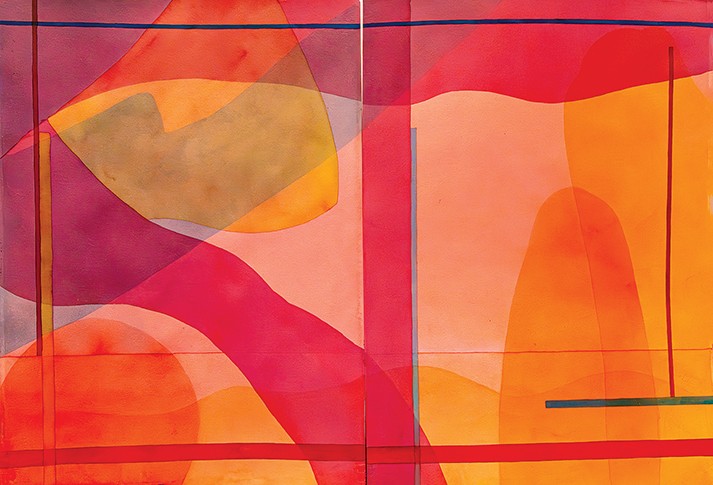
In recent years, work increasingly means painting.
The transition is a return to the starting line rather than a new direction. Walburg made watercolors and drawings when he was 7 or 8 years old. He advanced to oils, built his own stretcher bars, stretched canvases and prepared paintings from the ground up.
When moving large canvases became more difficult, the paintings grew smaller. Rather than dwell on limitations, he changed mediums.
He returned to watercolor. He discovered some high-quality French watercolor paper he purchased more than 40 years earlier, now ready for use.
His skill as a sculptor shows in the paintings. Walburg thinks in terms of form, space and relationships between objects. His interest in landscape design influences his direction.
Landscape design comes alive in the gardens around his home. Paths, plantings and sculptures are composed much as a painting might be, with attention to light, proportion, color.
Thinking back over his long life, Walburg realizes aging changed the way he works but not his expectations.
“I’ve always tried to extend myself in terms of what I do,” he says. If anything, turning 90 made him more willing to experiment and take chances.
There’s no hint that Jerry is trying to preserve a legacy or repeat what made him successful. He’s interested in what he might make next.
He rarely works on just one piece at a time. Oil and watercolor need time to dry. This means several works are always in progress. One beginning. One evolving. Another near completion.
When I ask what pulls a 90-year-old artist into the studio every day, his response is both obvious and profound: “I have something that’s not finished.”
For information, visit gswalburg.com.
Cecily Hastings can be reached at publisher@insidesacramento.com. Follow us on Facebook and Instagram: @insidesacramento.