

Home Plates
Food council helps connect urban farms to forks
By Gabrielle Myers
July 2026
In my four years as Inside’s farm-to-fork columnist, the Sacramento Food Policy Council has been a key driver behind local urban farming and food equity. The Food Policy Council is the essence of farm to fork.
The council works with farmers and food advocates to make the county’s food system more sustainable and equitable. The steering committee includes the UC Agriculture and Natural Resources Department, Valley Vision and Sacramento Region Community Foundation.
Collaborations paid off when the City Council and Board of Supervisors passed the Urban Agriculture Ordinance, legalizing residential sales for home-grown fruits and vegetables.
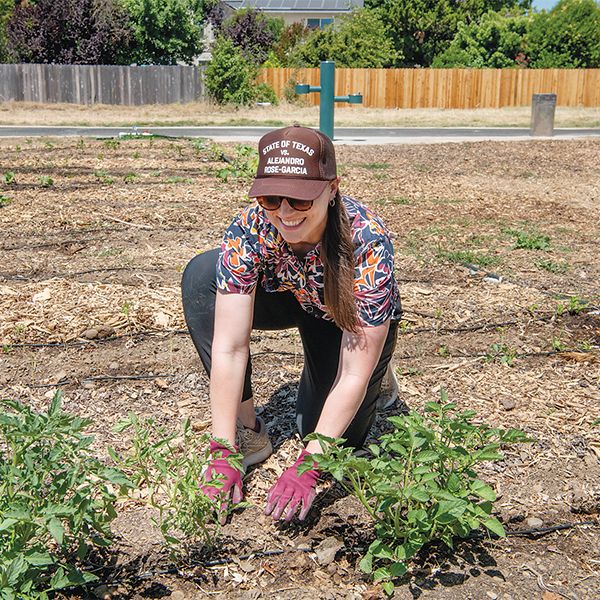
Thanks to the ordinance, residents can set up farmstands and sell harvests to neighbors. The law also creates tax breaks for property owners who use their land for urban farming. This way, vacant lots produce food.

Environmental justice is important to the Food Policy Council’s work. The group petitioned to get EBT CalFresh benefits accepted at local farmers markets.
Council President Adrian Rehn says the EBT policy allows lower-income residents to “buy locally grown, fresh, healthy produce. Through our work, folks are able to grow good food in South Sacramento and buy it in South Sacramento.”
Local food connections help limit the environmental impact of food transportation.
“Transportation is the single biggest source of pollution in our region because of how many highways and how much traffic we have,” Rehn says. “So we’ve been very supportive of CalFresh at farmers markets and the local access this provides.”
Food Policy Council funding comes from the California Endowment and previously from the U.S. Department of Agriculture. With the federal grant, the council conducted community engagement and wrote an assessment to identify food gaps across the county.
In the Gardenland Northgate community, the Food Policy Council collaborates with the city as stewards of the International Garden of Many Colors.
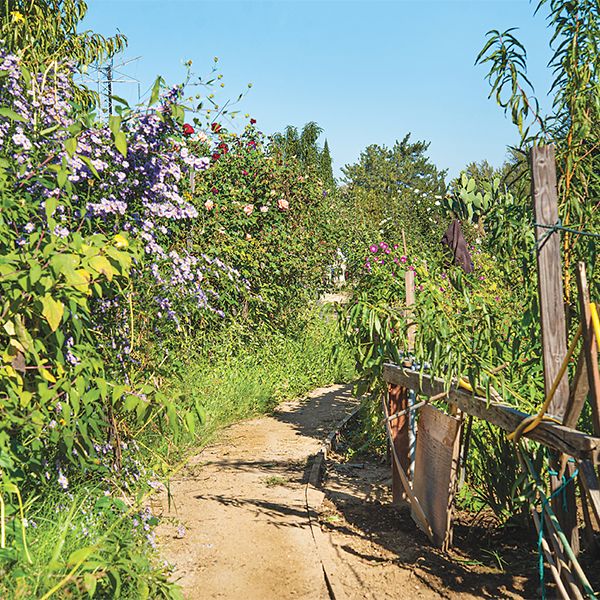
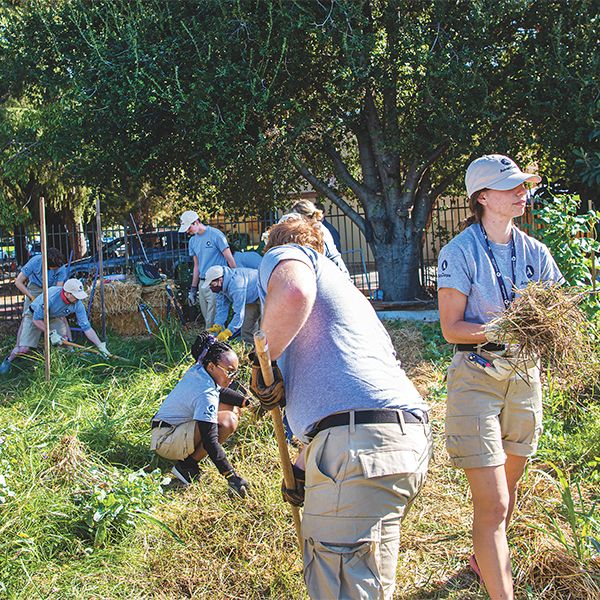
“This historic farm has more than 50 plots and always needs a little weed whacking and maintenance,” Rehn says. “We’re the ones that work with the mostly non-English-speaking farmers who use the space. There are a lot of Eastern European, Hispanic and Asian farmers.”
The council ensures plots are maintained and empowers the farmers with educational programs.

The nonprofit Food Policy Council always needs donations and help from food experts and other volunteers. For information, visit the website at sacfoodpolicy.org.
Gabrielle Myers can be reached at gabriellemyers11@gmail.com. Her latest book of poetry, “Go Forth: Lose Yourself Into Life,” is available at finishinglinepress.com. Follow us on Facebook, X and Instagram: @insidesacramento.
Similar Posts