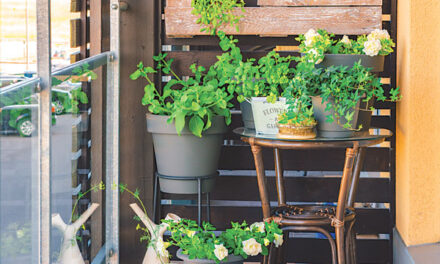


I enjoy cooking and baking. Therefore, I grow ingredients. Home-grown vegetables, fruit, citrus, berries, grapes and herbs move the culinary needle.
Seasonings, like herbs, infuse layers of unique flavors and complex notes to dishes, sauces, vinaigrettes and marinades. The flavor palette bounces from sweet and savory to piney and citrusy. Dishes become personal statements, defined by which herb and how much.
Sizzling summers and mild winters merge for a lengthy local growing season. Outdoor kitchens and freestanding grills magically perform when fed with summer herbs harvested a few feet away.
Cooler months move us indoors to cooktops and ovens. Hardier herbs can survive winter and tender herbs can be grown indoors with adequate light.
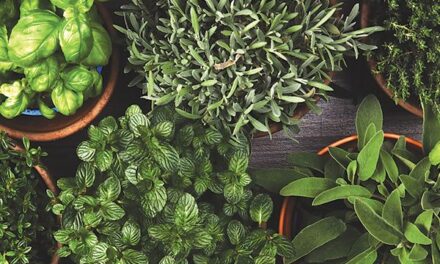
Herbs I grow and use most often are chives, oregano, thyme, rosemary, sage, basil, garlic, dill and parsley. Recently, I started tarragon and ginger (also considered a spice). I tend lavender, yarrow and germander. Some are in pots. Others rub shoulders with ornamentals.
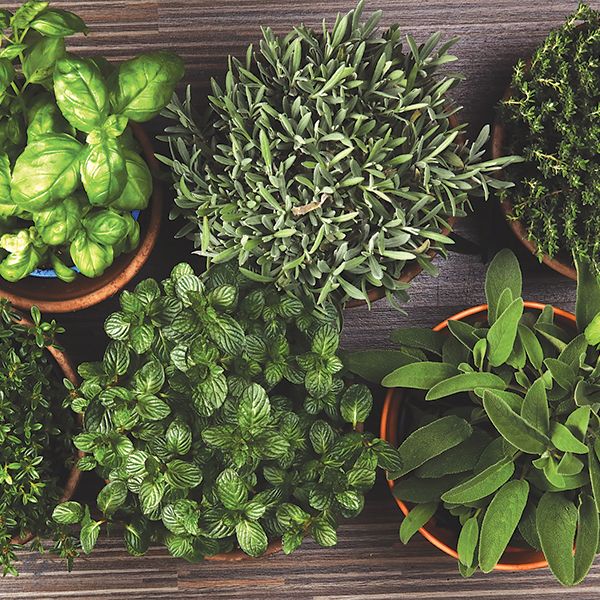
The common definition of an herb is a plant or plant part that is valued for its “savory, medicinal or aromatic qualities.” The definition sprawls. Herbs are the green, leafy parts of plants. Spices are harvested from seeds, flowers, roots and bark (cinnamon).
Last fall I was reminded how essential fresh ingredients are to great food. I visited the gardens of Michelin three-star restaurant The French Laundry in Yountville. Its 3.5-acre kitchen garden is across the street from the restaurant. The garden supplies herbs and fresh produce for the kitchen. Many of its plants aren’t found in grocery stores.
I visited the Culinary Institute of America at Copia in Napa, where chefs train and classes are conducted. It has a 3-plus acre garden that caters to the school’s needs. When menu planning, chefs ask gardeners to plant specific herbs and vegetables.
Sacramento’s top restaurants use locally sourced produce of the highest quality. Literally, farm to fork for our appreciative stomachs. Even if we can’t grow our own, farmers markets can fill needs.
As home gardeners, we can grow downsized versions of impressive food gardens.
Folks who can’t get enough Italian cuisine grow oregano, basil, rosemary, thyme and the flat-leaf variety of parsley. Southeast Asian dishes (Vietnamese, Thai) require lemongrass, basil, cilantro and mint. For Mexican home cooking, cumin, cilantro, oregano and epazote are traditional ingredients.

Some herbs (and spices) are best grown in containers. Epazote reseeds and can spread like a weed. Mint wanders and should never be planted in the ground. Plant mint in pots and by itself.
Lemongrass grows in clumps that expand. A compact clump will become wider each year. It boasts a lemony aroma but is sweeter and not as acidic as a lemon.
Having grown lemongrass, beware the long green leaves can slice like razors. Wear gloves. Use the white or light green base of the stalk to flavor dishes.

Culinary uses are not the only benefit of growing herbs.
Plant dill, borage, catnip, basil, bee balm, chives and sage to attract bees and welcome other pollinators to gardens.
Boost fragrance with lavender, lemon balm, scented geraniums, lemon thyme and mints.
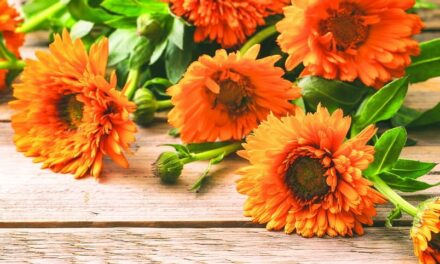
Calendula, yarrow, old roses and feverfew are among the most spectacular flowering herbs.
An infusion tea garden embraces chamomile, peppermint, lemon verbena and lemon balm.
Low-energy gardeners will appreciate the minimal needs of herbs. Most thrive with six to eight hours of sunlight. All-day sunlight is favored by many. Those that tolerate partial shade are chervil, parsley, mint, lemon balm, tarragon and catnip.
Rosemary, sage, thyme, yarrow, lamb’s ear, lavender and germander are among the drought-tolerant, low-water choices.
Lucky for us, herbs are easy to grow and not prone to annoying problems. Fertilize once or twice a year with low nitrogen organic fertilizer. Prune herbs as needed to promote additional growth.
Pests are few. Aphids, thrips, snails and slugs can be problematic. Powdery mildew, a fungal disease, can be a challenge.
A minimal downside delivers a yummy upside.
Dan Vierria is a University of California Cooperative Extension Master Gardener for Sacramento County. He can be reached at masterg29@gmail.com. For answers to gardening questions, contact UCCE Master Gardeners at (916) 876-5338, email mgsacramento@ucanr.edu or visit sacmg.ucanr.edu. Follow us on Facebook, X and Instagram: @insidesacramento.