

Weeds are uninvited party guests. They arrive with a good bottle of Bordeaux, keep to themselves, but by morning all their friends are camping on your property.
In Sacramento, weeds are especially obnoxious. Our long growing season encourages cycles of cold and warm weather weeds that can reach towering heights or, like ground covers, hug the soil. Some, like spotted spurge, grow low and blend into the surroundings like a sniper.
The late Ray D. Everson, editor of the Indiana Farmer’s Guide magazine, once opined, “The philosopher who said that work well done never needs doing over never weeded a garden.” A statement of truth gardeners instantly grasp.
Weeds spread faster than gossip. Weed a flower bed, head inside for another cup of coffee and survivors are already repopulating. A few days later, stunned gardeners ask, “Didn’t I just weed that bed?”
In fairness, weeds are plants growing in areas where they are not welcome. Some have been granted cute names. Quackgrass. Lambsquarters. Chickweed. Shepherd’s purse. Beware of innocent names.
Weeds cannot be eradicated, only controlled. Gardeners must match the weed’s tenacity with the unwavering dedication of a debt collector. Or face mounting debt by hiring professionals to do the work over and over.
Weeding can be tackled throughout the year, but spring and early summer are prime time for bumper crops. The task can be daunting and, if put off, becomes an exhausting project that spans days, not hours.
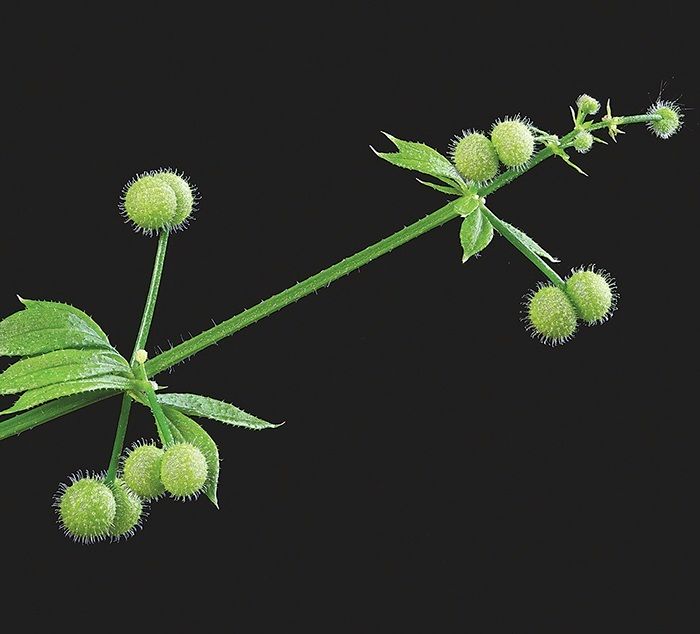
I was reminded of the persistence of weeds this spring. Bright green stalks had emerged from a sea of grevillea ground cover. Bedstraw! I had been clearing bedstraw from that area for the past three years. The task became a matter of will.
Bedstraw is a legendary weed because its seed pods are sticky and have hook-like hairs that attach to humans and pets. It’s also known as sticky willy and Velcro weed. An hour after pulling the bedstraw, I noticed a piece clinging to my hoodie. Bedstraw will hitch a ride to live again in other garden areas.
Discussing weeds sometimes invites criticism. There are those who defend weeds for beneficial uses. Dandelion, with its long taproot, pretty yellow flower and puffball seedheads, is a good guy/bad guy weed.
Perfect lawn people have waged war on invasive dandelions for decades. Others praise them as edible, medicinal and a benefit for pollinators. As an early bloomer, dandelions provide pollen and nectar for emerging butterflies and bees. That boosts the pollinator population so they can spread life to other garden plants.

Even bedstraw has its fans. It has been used to treat eczema and psoriasis, as a diuretic and an anti-inflammatory. Roasting the seeds supposedly makes a coffee substitute. Dandelion, purslane and chickweed are among those weeds deemed edible.
From a plant vs. weed perspective, weeds are rivals for water, nutrients and sunlight. In numbers, weeds can deal damage to cherished plants. Weeds, like bermudagrass, bindweed and nutsedge, are local nightmares. The terrifying trio can overtake a garden before the first tomato turns color.
How we coexist with weeds is a personal decision, but living in close proximity to others can affect neighborhood harmony. Weeds with seed heads on a windy day will spread a future crop to everybody nearby.

Biological traits and adaptation enable weeds to wander, spreading enormous numbers of seeds by wind, water, on animals and humans, like my uninvited bedstraw guest.
Controlling weeds is not necessarily a vile chore. Weeding can be an effective distraction from pressing problems. It’s you, the weeds and nature. Play your music and sip a drink.
Exercise is a benefit from weeding. All that bending, stretching and pulling just may remind you the following morning. For a satisfying rush of accomplishment, peek outside where you just removed weeds.
There you have it, my friends. We are all in the Fellowship of Weeders. Go forth and wield the hoe.
Dan Vierria is a University of California Cooperative Extension Master Gardener for Sacramento County. He can be reached at masterg29@gmail.com. For answers to gardening questions, contact UCCE Master Gardeners at (916) 876-5338, email mgsacramento@ucanr.edu or visit sacmg.ucanr.edu. Follow us on Facebook, X and Instagram: @insidesacramento.