Jun 28, 2026
Five years ago, the state Legislature budgeted $50 million to stop killing “adoptable” and “treatable” dogs and cats in California animal shelters.
Today, the $50 million is gone. The killing continues.
In 2025, the city’s Front Street Animal Shelter euthanized 1,823 companion animals. The county’s Bradshaw Animal Shelter killed 2,603. More than 110,000 dogs and cats were euthanized statewide, second only to Texas.
Where did things go wrong?
May 28, 2026
There are two reasons I don’t walk my dogs along the American River Parkway this time of year: foxtails and rattlesnakes.
Foxtail grass has a bushy seed head. As it matures and dries under Sacramento’s hot summer sun, the spiked “tail” becomes rigid and barbed. It can lodge in fur, skin, eyes, ears and nose. The result is painful for the pet and expensive for the owner.
Then there are rattlesnakes. Fear them or endear them, this native reptile lives among us.
Active spring through fall, Sacramento’s late winter heatwave “caused the snakes to jumpstart their seasonal activity,” Michael Starkey, founder of the local nonprofit Save The Snakes, says. “If it’s warmer, you’ll have more activity. If it’s colder, you’ll have less activity.”
May 28, 2026
Thousands of unwanted dogs and cats have flooded the city’s Front Street Animal Shelter in recent years. City officials faced a decision. They could promote adoptions and spay-neuter strategies. Or turn to euthanasia.
The city chose euthanasia. In 2024, Front Street killed 1,463 companion animals. In 2025, deaths jumped to 1,823. That’s five animals intentionally killed every day.
Most died due to limited capacity and escalating behavior issues, no surprise given the stressful environment in which they landed.
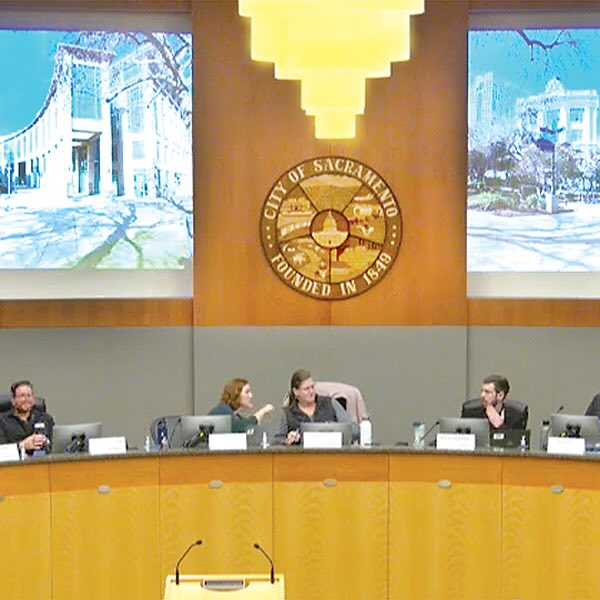
So when a recommendation came before the city’s Animal Wellbeing Commission for a six-month pilot program to promote adoption and rescue of senior animals and those at-risk of euthanasia, why would anyone vote no?
Apr 28, 2026
Cyrus lays in his kennel, tail thumping against steel bars.
The 2-year-old canine arrived at Homeward Bound Golden Retriever Rescue in Elverta last July. He was rescued in China where he was bred for the dog meat trade.
When Cyrus arrived at the sanctuary, his knees faced outward. The limb deformity resulted from “two years in a cramped cage with no ability to stand,” Homeward Bound President Audrey Farrington says.
Mar 28, 2026
Long meetings. Tedious dialogue. Sitting on a government commission is thankless.
The city’s Animal Wellbeing Commission is no different. Commissioners serve because they want the best outcomes for Sacramento’s homeless pets.
The last thing volunteer commissioners need is a city spokesperson publicly accusing them of harming the animal shelter.
But that’s what happened at February’s commission meeting.
Feb 28, 2026
Now is the time to walk the dirt trails between the lower American River and the paved bike path.
The air is fresh. The river runs high. Wildflowers bloom. Oaks, cottonwoods and willows canopy the trails. The water is alive with geese, ducks, herons and egrets. Pond turtles sun on logs.
To know the magnificence of the parkway is to understand why so many people, now and in the past, devote their lives to protecting it.
If the U.S. Army Corps of Engineers’ latest erosion-control project comes to fruition, as many as 700 trees, including 300-year-old heritage oaks, acres of riparian forest and established woodlands will be destroyed.