Animals & Their Allies
Magpie Magic
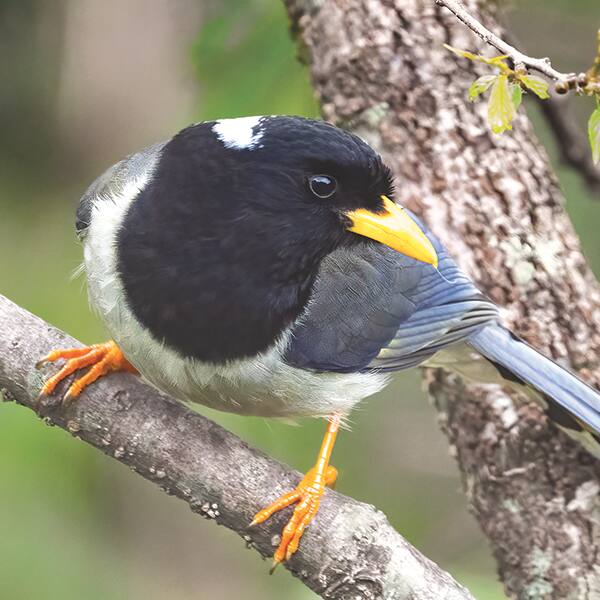
I used to take yellow-billed magpies for granted. In my younger years, flocks were everywhere in and around Sacramento.
Then West Nile Virus hit. By 2007, the gregarious black and white bird with the golden beak was decimated. Bird counts in the Central Valley declined by 80%.
Magpies, crows, ravens and jays—all in the corvid family—are susceptible to West Nile Virus. “They all crashed,” says Dan Airola, a local research wildlife biologist who has studied feathered species for decades.
Wrong Way
Five years ago, the state Legislature budgeted $50 million to stop killing “adoptable” and “treatable” dogs and cats in California animal shelters.
Today, the $50 million is gone. The killing continues.
In 2025, the city’s Front Street Animal Shelter euthanized 1,823 companion animals. The county’s Bradshaw Animal Shelter killed 2,603. More than 110,000 dogs and cats were euthanized statewide, second only to Texas.
Where did things go wrong?
If Not Now, When?
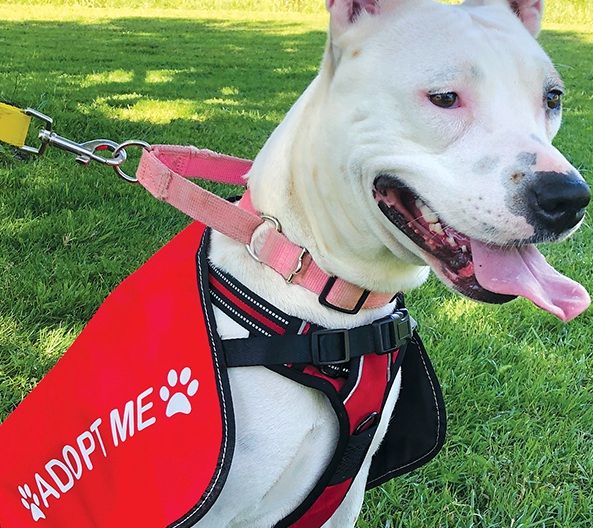
Thousands of unwanted dogs and cats have flooded the city’s Front Street Animal Shelter in recent years. City officials faced a decision. They could promote adoptions and spay-neuter strategies. Or turn to euthanasia.
The city chose euthanasia. In 2024, Front Street killed 1,463 companion animals. In 2025, deaths jumped to 1,823. That’s five animals intentionally killed every day.
Most died due to limited capacity and escalating behavior issues, no surprise given the stressful environment in which they landed.
So when a recommendation came before the city’s Animal Wellbeing Commission for a six-month pilot program to promote adoption and rescue of senior animals and those at-risk of euthanasia, why would anyone vote no?
Goldens Rule
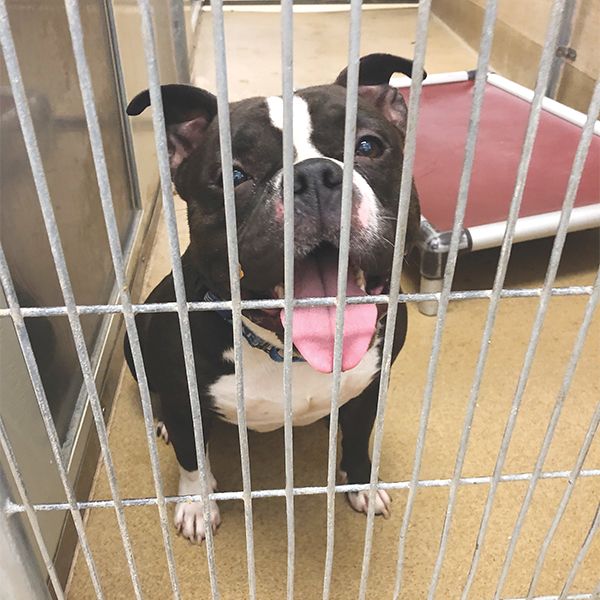
Cyrus lays in his kennel, tail thumping against steel bars.
The 2-year-old canine arrived at Homeward Bound Golden Retriever Rescue in Elverta last July. He was rescued in China where he was bred for the dog meat trade.
When Cyrus arrived at the sanctuary, his knees faced outward. The limb deformity resulted from “two years in a cramped cage with no ability to stand,” Homeward Bound President Audrey Farrington says.

Speak No Evil
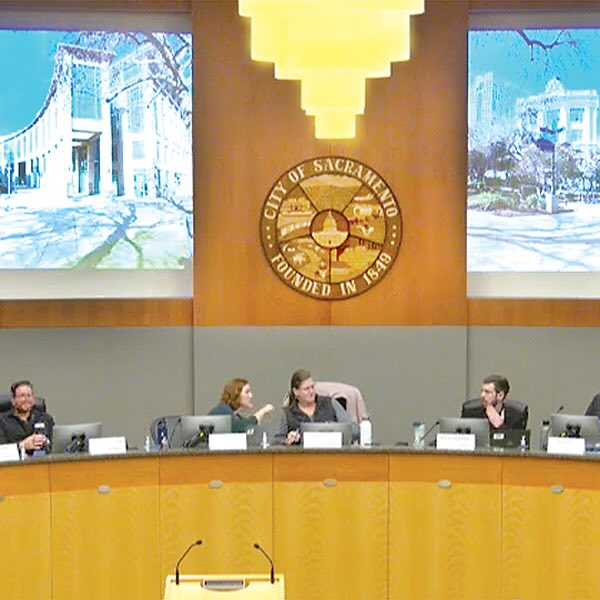
Long meetings. Tedious dialogue. Sitting on a government commission is thankless.
The city’s Animal Wellbeing Commission is no different. Commissioners serve because they want the best outcomes for Sacramento’s homeless pets.
The last thing volunteer commissioners need is a city spokesperson publicly accusing them of harming the animal shelter.
But that’s what happened at February’s commission meeting.
Feline Friend
Always a dog lover, Sacramento resident Gary Cooper didn’t think much about cats until a Maine coon mix planted himself on Cooper’s doorstep 20 years ago.
After several months of leaving food for the young feline and watching him roam the neighborhood and scrap with another cat, Cooper scooped up the stray and brought him inside to join the family, which included five rescue dogs.
Now Cooper calls himself “a crazy cat lady.” He’s rescued seven felines over two decades. “I understand how wonderful they are,” he says.

Stand & Deliver
Professional, polite and well-spoken, Julie Virga is a powerhouse. She’s relentless, determined and uncompromising.
She doesn’t mince words or pull punches when advocating for Sacramento’s dogs and cats. She requests meetings with city officials, sets agendas and gets attention.
A Sacramento native, Virga has rescued, fostered and rehomed countless animals, and volunteered as a foster parent for the city’s Front Street Animal Shelter.

Missing In Action
The dais seat reserved for the head of Front Street Animal Shelter has been occupied by someone else at the past two Animal Wellbeing Commission meetings.
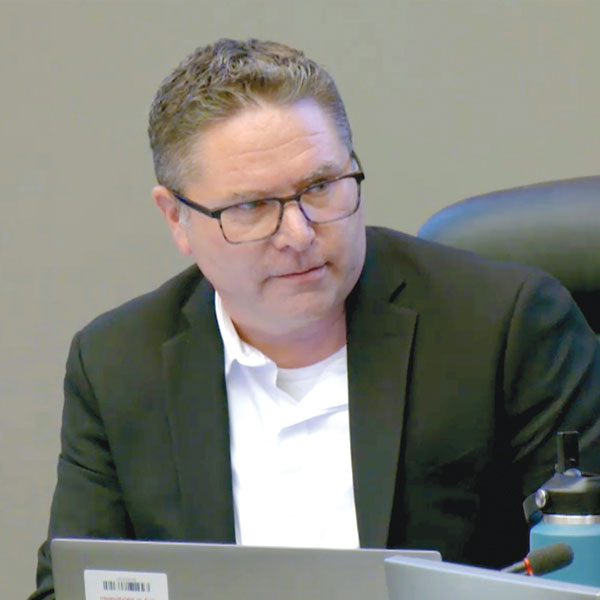
Front Street Manager Phillip Zimmerman has been absent. Apparently, he’s not ill or out of town. He’s a lame-duck leader who chooses not to attend.
Zimmerman posted on social media he plans to retire in May. Meanwhile, he’s still on the city payroll, but often missing in action.

Saving Lives
Saving Lives Community clinic makes spay/neuter a priority By Cathryn Rakich December 2025 One unaltered cat and her offspring can produce 100 kittens in two years. An unaltered dog and her offspring can give birth to more than 100 puppies in two years. In just...

‘Sadvertising’
The dog’s graying muzzle proves she’s no youngster. She’s been bred so many times her swollen nipples hang down.
The cat’s scarred face is evidence of too much time on the street. He’s wary of strangers but warms up quickly.
No aggression. No medical problems.

What’s It Going To Take
Buttercup lives on a 3-foot tether in a homeless camp near Downtown. The tan, mixed-breed dog is 3 years old. She’s had three litters—24 puppies.
Buttercup is one of three dozen dogs who have lived and died in a lineup of tattered tents off Highway 160 over the last three years.
In that time, 155 puppies were born. Forty-nine died, 65 were sold or traded, 25 are gone.
“Gone means the puppies just disappeared,” Debbie Tillotson says.

Under Her Watch
Kennel floors covered in excrement. Beds and blankets crusted with diarrhea and vomit. Water bowls lined with green slime.
Animals languished in squalid and inhumane conditions without relief under the leadership of Staycee Dains, then-general manager of Los Angeles Animal Services, according to reports from a national animal welfare organization.
Now Dains is shelter operations manager at Sacramento city’s Front Street Animal Shelter.
Dains held leadership positions at animal shelters in Pasadena, Santa Cruz, San Jose, Long Beach and Ohio. In 2023, she was named general manager of Los Angeles Animal Services, overseeing six LA city shelters.
Disturbing Allegations
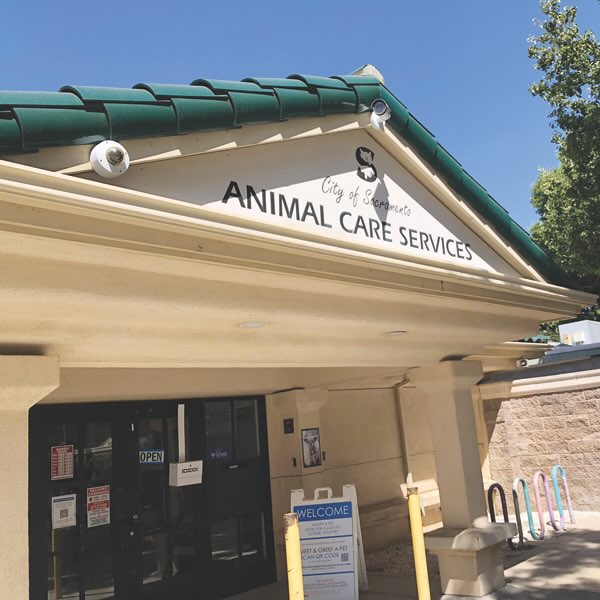
Under Philip Zimmerman’s leadership over the last five years, the city’s Front Street Animal Shelter has ignored spay/neuter laws, increased euthanasia, turned away unaltered stray animals and let hundreds of animal control service calls go unanswered.
A recent city audit also cites a lack of a community spay/neuter program, overcrowded kennels, unfinalized policies, uncollected fees and low employee morale.
Now, Zimmerman has hired Staycee Dains to run Front Street’s shelter operations.
Dains, previously with Long Beach and San Jose animal shelters, was named general manager of Los Angeles Animal Services in 2023, overseeing six LA city shelters.

Too Little, Too Late
It’s not complicated. High-volume spay/neuter is the most effective way to stop the influx of unwanted dogs and cats.
Lacking such a program, Front Street Animal Shelter has big problems.
In the five years since Phillip Zimmerman took over as Front Street manager, the city’s homeless animal population has exploded. Stray dogs and cats entering Front Street grew from 6,309 in 2022 to 8,457 in 2024.
Saving Snakes
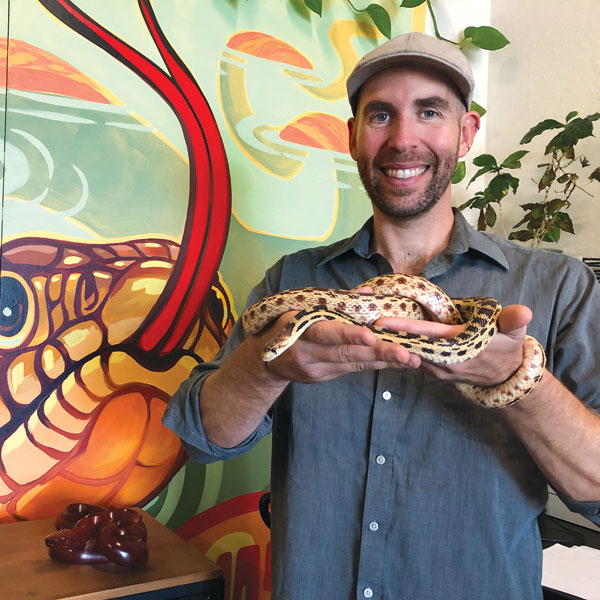
California has a state bird, bat, amphibian, reptile, crustacean, flower, grass, mushroom, tree, insect, slug, seashell, rock—but no snake.
Michael Starkey wants to change that with the giant garter snake.
Reaching 64 inches long, the giant garter snake is a threatened species found only in the Central Valley. He lives in freshwater marshes, such as Yolo County’s flooded rice fields. He eats fish and amphibians, including the invasive American bullfrog.