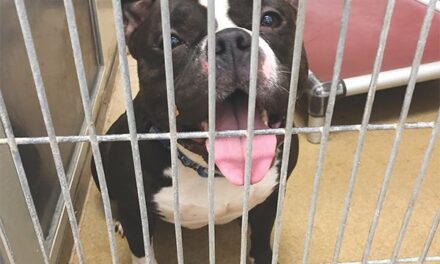


Thousands of unwanted dogs and cats have flooded the city’s Front Street Animal Shelter in recent years. City officials faced a decision. They could promote adoptions and spay-neuter strategies. Or turn to euthanasia.
The city chose euthanasia. In 2024, Front Street killed 1,463 companion animals. In 2025, deaths jumped to 1,823. That’s five animals intentionally killed every day.
Most died due to limited capacity and escalating behavior issues, no surprise given the stressful environment in which they landed.
So when a recommendation came before the city’s Animal Wellbeing Commission for a six-month pilot program to promote adoption and rescue of senior animals and those at-risk of euthanasia, why would anyone vote no?
But they did. At April’s meeting, three commissioners—Leah Morris, Shannon Asquith and Samantha Christie—voted against the life-saving project. Commissioners Denise Bell and Kathy Garcia abstained.
Voting “yes” were Chair Jamie McDole, Julia Hayes, Hilary Bagley Franzoia, Kellee Benedict, Julie Virga, Ignacio Barragan, Paula Treat and youth commissioner Noemi Phew.
The Final Plea Pilot Program passed, but the vote is telling.
Six of the “yes” commissioners are relatively new to the commission. The majority voting “no” or abstaining are longtime members. The vote is evidence of the old regime’s unwillingness to challenge a bureaucracy that has failed Sacramento’s homeless pets.
Further proof came when former commission chair Paul Hefner denounced the pilot program in public comments. “It doesn’t work,” he said. “Research tells us (people) don’t want to feel sad and don’t want to see animals at risk of euthanasia. Yet this proposal calls for taking those very fears and putting them front and center.”
In voting against the program, Commissioner Morris, also a former chair, called for research on best practices before passing a proposal to save lives. “I see this document as a start. I see it as a draft,” she said. “I feel that it’s a little premature.”
Her words sum up the mindset promoted by former shelter manager Phillip Zimmerman who resigned this year. Zimmerman opposed final plea marketing, calling it a “scare tactic” that stops people from visiting the shelter to adopt.
Successful final plea programs tell a different story. Volunteers at the county’s Bradshaw Animal Shelter post dogs showing signs of kennel stress or medical/behavioral decline on social media and with local community groups.
Bradshaw’s social media posts state, “Final Plea gives visibility to dogs declining in our care who urgently need rescue placement. It’s our last effort to get them help now.”
Residents who participate on the networking platform Nextdoor see at-risk shelter dogs posted almost daily. “When they find out that an animal is due for euthanasia, they take action,” community member Susan Falcon told commissioners. “They will come home with a dog that’s on the death row list.”

Commissioner Barragan adopted a dog from a shelter with a final plea program. “I had volunteers there trying to draw my attention to certain animals, which I did appreciate,” he said. Commissioner Benedict reported several neighbors and friends adopted dogs because they were going to be killed.
Commissioner Hayes, who led development of the Final Plea Pilot Program, adopted a dog from Front Street when she learned the canine had five hours to live.
The pilot program was well designed, Hayes said. “This was us reaching out to volunteers, reaching out to another shelter, to establish something to move forward. This is what works.”
Under the program, the shelter will market at-risk and senior animals by highlighting them on kennel cards, an identification board in the lobby, email lists, website and social media postings.
“A final plea is how you save lives,” Commissioner Virga said. “It’s networking animals. It’s saying their lives are at risk and it’s urgent. To say it’s going to harm adoptions just does not make sense.”
With concern that the pilot will place additional burden on overworked shelter staff, several commissioners offered to get the program started and assist staff and volunteers in working out the specifics.
Chair McDole said it best: “Staffing comes and goes. If we don’t get this started now, then the question is when?
“How many dogs have died. How much time has gone by and we’ve done the same old thing and nothing has changed and nothing’s gotten better?”
Now, things are changing. Zimmerman is gone. Shelter operations manager Staycee Dains has moved on. A new stronger, devoted animal commission is in place. Front Street dogs and cats have a brighter future.
The Final Plea Pilot Program moves to the City Council’s Personnel and Public Employees Committee, and then to the full City Council for final approval.
Cathryn Rakich can be reached at cathrynrakich@gmail.com. Follow us on Facebook, X and Instagram: @insidesacramento.