

Five years ago, the state Legislature budgeted $50 million to stop killing “adoptable” and “treatable” dogs and cats in California animal shelters.
Today, the $50 million is gone. The killing continues.
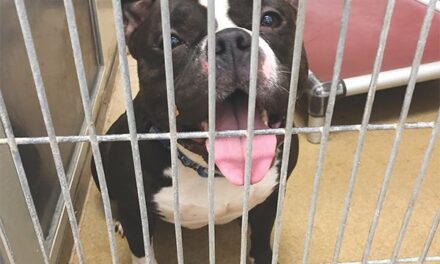
In 2025, the city’s Front Street Animal Shelter euthanized 1,823 companion animals. The county’s Bradshaw Animal Shelter killed 2,603. More than 110,000 dogs and cats were euthanized statewide, second only to Texas.
Where did things go wrong?

The $50 million in state tax dollars was assigned to the UC Davis Koret Shelter Medicine Program, under the name California for All Animals. In its final report to the Legislature released earlier this year, California for All Animals blames increased intake and reduced adoptions on post-pandemic problems, lack of pet-friendly housing and the rising cost of living.
A veterinary workforce shortage, high medical supply costs and long waits for surgical appointments have resulted in “an acute crisis in access to spay/neuter,” the report says.
“The combination of these factors unfortunately led euthanasia rates for dogs to increase, reversing progress achieved in the years leading up to 2020.”
You read that right—after spending $50 million, the killing of dogs increased.
When California for All Animals asked shelters what they needed most, the answer was “overwhelming and unanimous: spay/neuter services.”
From 2022-2025, the program allocated 75% of the funding—$37.5 million—to eligible shelters via grants. The remaining dollars went for staffing, training and technical support. That’s $12.5 million for Zoom meetings, webinars and bootcamps, instead of what would make the most impact—spay/neuter.
How much was spent on spay/neuter? Only one grant was specifically earmarked for altering dogs and cats. That grant received more than 100 applications requesting $46 million, yet only $13 million was awarded.
Overall, 206,000 companion animals were sterilized statewide over a five-year period.
Not an impressive number considering 110,000 dogs and cats were euthanized statewide in 2025 alone.
A couple of local bright spots:

Of the $305,000 the county’s Bradshaw Animal Shelter received, $200,000 was spent on spay/neuter services. At six events, 1,250 dogs and cats were sterilized.
Of the $807,421 the Sacramento SPCA received, $705,000 went to increasing spay/neuter through staff salary adjustments, added compensation and more training.
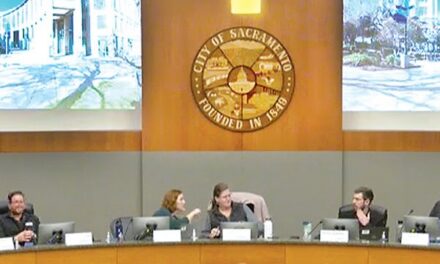
Not so bright: The city’s Front Street Animal Shelter received $147,000 for homeless outreach pet retention and $165,215 for the foster program, reports California for All Animals. It’s unclear how much of the money was used for spay/neuter. Former Shelter Manager Phillip Zimmerman let the grants expire and had to receive extensions.
There’s no doubt the severe shortage of veterinarians and licensed support staff is crippling access to spay/neuter. California for All Animals calls for increasing class sizes to graduate more veterinarians and technicians, bringing in vets from outside the state, expanding the scope of practice for vet technicians and providing targeted training in high-volume spay/neuter.
All good solutions. What is taking so long?
To reduce intake—thus euthanasia—California for All Animals promoted diverting dogs and cats away from shelters through “community sheltering” and “finder fostering,” a practice Front Street embraced.
The city shelter’s “managed intake” policy continues to turn away healthy, friendly cats and kittens on the premise they are not lost—regardless of whether they are spayed/neutered.
Front Street asks people to make an appointment to bring in a stray animal, an additional burden for those trying to do the right thing. How many unaltered animals end up back in the community to keep reproducing?
The California Highway Patrol has seen the results of these ill-fated policies. “North Sacramento Area officers have been encountering an increasing number of stray dogs—both on our freeways and throughout the county,” the group posted on social media.
For stray canines, Front Street’s website instructs the public “to hold onto the dog for at least a few days and look for the owner.”
The CHP posts, “If you come across a stray dog, please do the responsible thing—contact your local animal shelter or animal control agency. Shelters are equipped to safely care for these animals and work toward reuniting them with their owners or finding them a new home.”
Now that the $50 million is gone, the state requires a long-term plan to sustain improvements in euthanasia rates. Considering the killing continues, it’s time to make spay/neuter the only viable long-term plan.
Cathryn Rakich can be reached at cathrynrakich@gmail.com. Follow us on Facebook and Instagram: @insidesacramento.