


Royal Chicano Air Force, one of California’s most influential artistic cultural movements, winds down its exhibition this month at the Crocker Art Museum. The four-month show closes June 28.
Billed as “the largest exhibition ever” of Royal Chicano Air Force material, the exhibit marks a defining moment for the museum and its recognition of a collective that helped shape Sacramento’s artistic identity and civic pride.
Nearly 100 screen-printed posters created by local RCAF artists highlight the show. Bold in color, graphic in style and bilingual in message, many of the works were designed for street displays rather than gallery walls.
They rallied support for social justice and cultural pride, announced events and gave visual voice to Chicano Power.
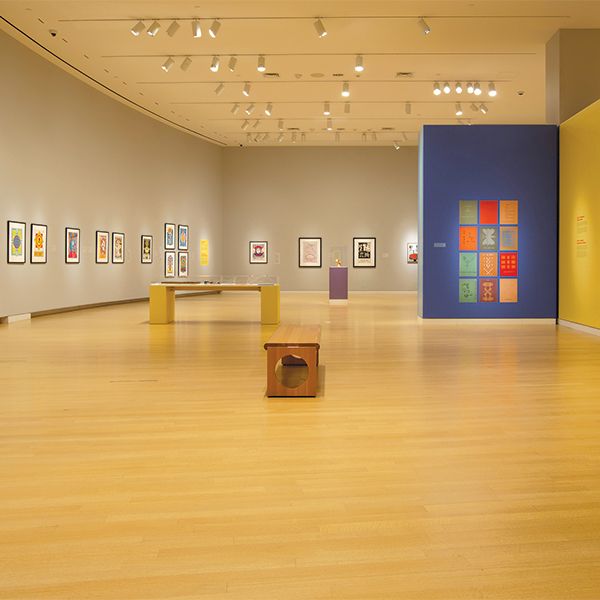
The Crocker recreates a print studio within the exhibition. Visitors get a rare, behind-the-scenes look at how the art was made. The installation demystifies the silkscreen process that defined the visual language and emphasizes the collective, hands-on nature of the group’s work.
The museum explains, “The exhibition documents how RCAF artists used bold bicultural aesthetics and subversive humor to fuel activism, from supporting the United Farm Workers to launching community programs such as La Raza Bookstore and Breakfast for Niños.”
Founded in 1970 at Sacramento State College by artists including José Montoya, Esteban Villa and Ricardo Favela, Royal Chicano Air Force emerged during the height of the Chicano Movement.
The group challenged cultural invisibility and advocated for Mexican American communities across California. The work addressed labor rights, educational access and cultural identity.
Printmaking was the effective medium. Silkscreen allowed for fast production and wide distribution. The posters at the Crocker aren’t polished in a standard fine art sense. They are urgent, expressive and connected to the community.
The group helped build Sacramento’s cultural infrastructure. La Raza Bookstore was a place for Latino literature and dialogue. Breakfast for Niños addressed community needs. The work extended to education, mentorship and public art, including murals that define neighborhoods today.
The Crocker exhibition emphasizes RCAF’s collective nature. The artists often worked and signed pieces as a group. That ethos is reflected throughout the show. Collaboration is presented not as a method but a philosophy.
More than five decades since its founding, Royal Chicano Air Force is still relevant. The issues it addressed—equity, representation and empowerment—resonate today. By framing the exhibition as historical and contemporary, the Crocker lets visitors see the arts collective as an ongoing influence.
For Sacramento, the exhibition honors a homegrown movement that helped define the cultural voice of the city and beyond. For visitors, it offers a chance to experience art that was never meant to sit quietly on a wall, but to move people, spark conversation and build community.
For information on the RCAF exhibition and other shows, visit crockerart.org.

Cecily Hastings can be reached at publisher@insidepublications.com. Previous columns can be found and shared at InsideSacramento.com. Follow us on Facebook, X and Instagram: @insidesacramento.