

Reality Bites
Why admitting you’re wrong is a healthy start
By Dr. Justin Altschuler
June 2026
Sometimes it’s not easy to accept reality. If we can’t face the fact that our bodies age, break down and die, we become surprised, angry and indignant when those things start happening.
If we can’t accept the beauty and the darkness of human nature, we will be disappointed and surprised by the generosity and cruelty of other people.
Why can’t we see things as they are?
There’s a whole body of research, a manifestation of confirmation bias, that shows our beliefs are stronger than our senses. We won’t believe our eyes when we see something that conflicts with our beliefs or opinions.
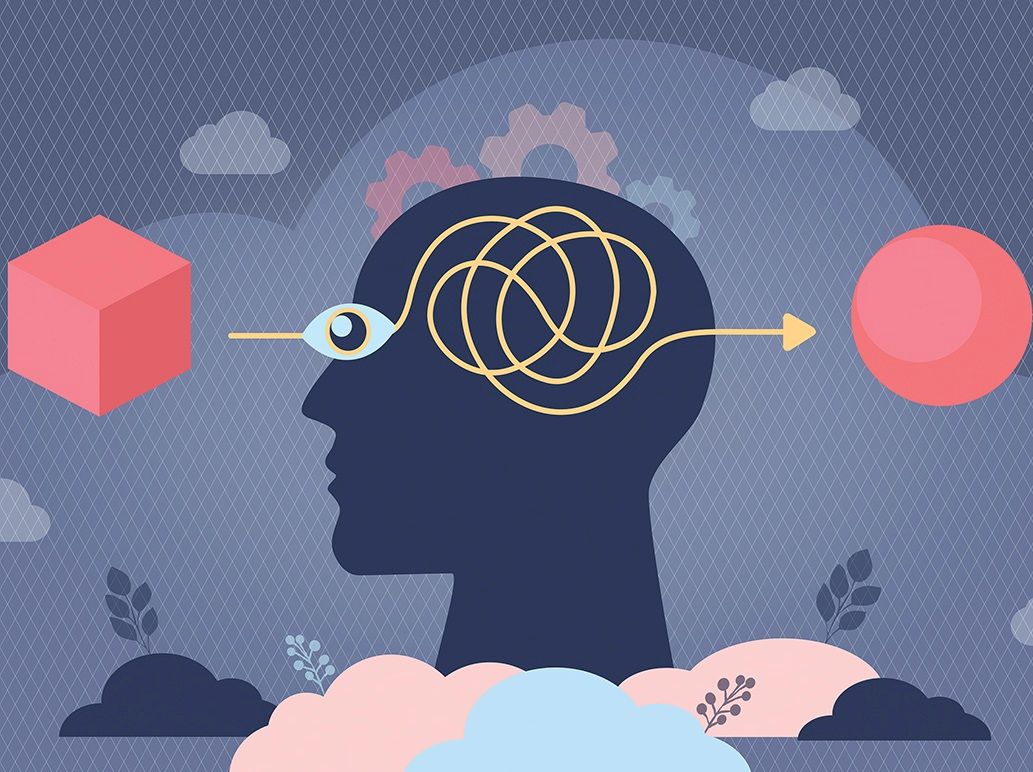
If we take seriously the idea that cognitive bias makes us trust opinions more than what we see, then acceptance is really about seeing clearly. It’s about forcing ourselves to recognize our biases, opinions and beliefs.
Part of what makes this so difficult is that our beliefs are rarely just ideas. They are extensions of who we think we are.
When evidence disrupts a belief, it can feel threatening. Naturally, we want to protect that belief. We reinterpret what we see. We distrust the source. We preserve consistency rather than accuracy.
If we stop equating “I was wrong” with “I am diminished,” something opens. We become less invested in defending prior conclusions and more interested in discovering the truth.
Acceptance becomes humility in action. It’s the willingness to let reality revise us.
I find it helpful to tell myself, “I look forward to updating my beliefs. I want to find places where I’m wrong.” This helps correct the default position of needing to be right.
There are other ways to do this. One is to think about where other people are coming from. How could they hold a certain belief? For this strategy to work, you must ask a genuine question. And you must want a real answer—even if the answer is diametrically opposed to your beliefs.

Another strategy is meditation. Sitting, noticing what comes up in our mind, labeling our thoughts just as thoughts over and over again helps us realize what we thought of as highly solid is much less firm than we supposed.
To commit to accepting reality isn’t calming, at least not at first. It’s disorienting. It asks us to loosen our grip on structures that make us feel stable—our beliefs, our narratives, our opinions about how things are and should be.
We don’t simply hold ideas. We live inside them. They organize the world for us and tell us who we are. We rely on them for a sense of stability and permanence. When we choose reality over attachment to those ideas, the ground can feel like it’s shifting beneath us. That’s the point.

There’s a kind of vertigo to admit, “I may be wrong. I have no real certainty here, only reality.” Or more subtly, “What is here doesn’t match what I expected.”
If we commit to seeing clearly, we must be willing to let cherished interpretations dissolve when they no longer fit the facts. We must allow experience—not preference—to have the final word, even when it feels like loss or exposure.
When we stop clinging to what we hoped was true and instead meet what is present, we step into a different relationship with the world. We trade the comfort of being right for the steadiness of being real.
Dr. Justin Altschuler, a physician certified in family practice and addiction at Sequoia MD, can be reached at (916) 668-7164. Follow us on Facebook, X and Instagram: @insidesacramento.