

There are two reasons I don’t walk my dogs along the American River Parkway this time of year: foxtails and rattlesnakes.
Foxtail grass has a bushy seed head. As it matures and dries under Sacramento’s hot summer sun, the spiked “tail” becomes rigid and barbed. It can lodge in fur, skin, eyes, ears and nose. The result is painful for the pet and expensive for the owner.
Then there are rattlesnakes. Fear them or endear them, this native reptile lives among us.
Active spring through fall, Sacramento’s late winter heatwave “caused the snakes to jumpstart their seasonal activity,” Michael Starkey, founder of the local nonprofit Save The Snakes, says. “If it’s warmer, you’ll have more activity. If it’s colder, you’ll have less activity.”
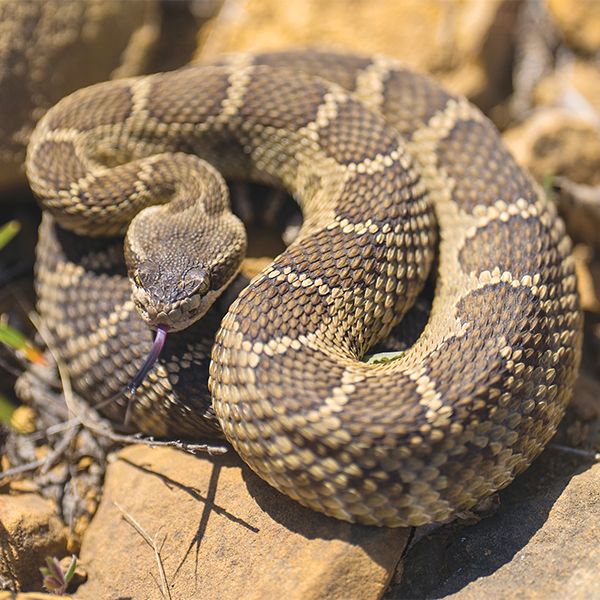
There are 10 rattlesnake species/subspecies in California. One is found in Sacramento—the northern Pacific rattlesnake, which averages 3 to 4 feet long and “can get a little chunky,” Starkey says.
Large venom glands on each side of the face give rattlers a wide, triangular-shaped head. Coloring varies from golden brown to dark grey and black, even green. The camouflage helps them as predators. Starkey notes, “The poor unsuspecting ground squirrel doesn’t see the rattlesnake curled up.”
The earthy colors also allow the snake to disappear into its environment, providing coverage from predators such as coyotes, hawks, eagles and wild turkeys.
While the rattle often serves as a warning, rattles can break off or the snake may be too young to have one. “They may not even rattle because their first line of defense is to blend in. They don’t want to be seen,” Starkey says.
The snake typically strikes only when threatened or provoked. Most bites occur when humans accidentally step on or disturb the reptile.
When hiking, alertness is key. Look ahead and to the sides of nature trails. Don’t browse on a cell phone.
Wear long pants and sturdy boots. Keep dogs on a short leash and don’t allow them to nose into tall grass and dense underbrush. Look under rocks and logs before sitting on or stepping over them.
Be aware of rattlers in neighborhoods and around the house. They search out favorable temperatures during the hot season, including cool garages. If found in a backyard, they are looking for food, water, shelter or a mate.
Close up cracks, crevices and other openings. Keep grass short and remove yard debris, clutter and stacks of firewood that make good hiding places.
Companies will remove snakes from private property, but Starkey cautions to ensure the firm is permitted with the California Department of Fish and Wildlife to ethically relocate animals.
In humans and pets, bite symptoms include intense pain, rapid swelling and bruising that spreads quickly.

“Getting dogs into a vet and on antivenom within the first two or three hours has the best survival rate,” Dr. Jennifer Koncz with Sacramento Animal Hospital says. “The longer the venom circulates throughout the body, the more damage it’s going to cause the tissues, blood vessels, vital organs. Without treatment it can definitely be life-threatening.”
Most general practice veterinary hospitals do not stock antivenom, which is expensive. Instead, immediately transport a pet to a 24-hour specialty hospital.
Baby rattlesnake bites are more deadly than adult bites is a misconception, Starkey says. “It stems from the idea that baby rattlesnakes can’t control their venom. Technically an adult rattlesnake can unload a much larger amount of venom into your body.
“It doesn’t matter if a baby bites you or an adult bites you, any venomous snake bite is an absolute medical emergency,” Starkey adds.
If you come across a rattlesnake, keep calm and give it a wide berth of 10 feet or more and room to escape. Do not pick up or harass the snake. Give the creature time to move on.
Save The Snakes offers venomous snake training programs at its Snake Conservation Center in Rancho Cordova. For information, visit savethesnakes.org or californiaherps.com.
Cathryn Rakich can be reached at cathrynrakich@gmail.com. Follow us on Facebook, X and Instagram: @insidesacramento.