

Tailored Contentment
Building satisfaction takes one stitch at a time
By Dr. Justin Altschuler
September 20026
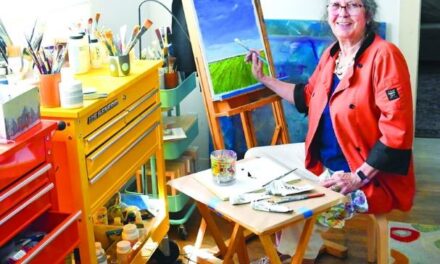
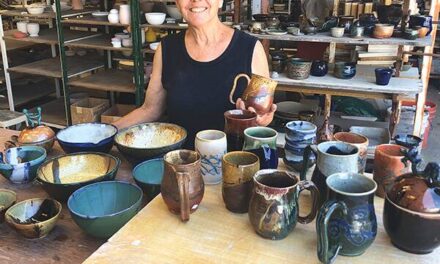
When we think of craftsmanship, we usually picture skilled trades that combine the practical and artistic—carpenters, tailors, furniture makers, jewelers, metalworkers or bakers. Our historic Sacramento neighborhoods are full of examples.
Across these crafts is a shared mentality. Craftspeople develop skill through practice, take pride in high-quality work and are dedicated to improvement, even when mastery stays slightly beyond reach.
The satisfaction comes from making rather than external rewards. A baker wants to make the best bread because excellent bread matters. A tailor wants to construct a beautiful suit, not simply earn more from it.
Money and recognition are not unimportant. They are secondary to the craft itself. That idea can feel out of step with our time, when nearly everything is measured.
We learn a trade to earn income. We undertake a project and ask how it can be monetized. We develop a skill to generate recognition or advancement. Even hobbies are expected to become side businesses.

Dedicating ourselves to something because it is worth doing is less fashionable. Yet viewing more of life as a craft offers a richer way of living and a useful framework for work, relationships, recovery and health.
Consider approaching relationships with the mentality of a craftsperson.
Suppose the goal was to become an excellent husband, wife, parent or friend—not to receive appreciation or ensure harmony, but because performing those roles well has inherent worth.
The skills include speaking thoughtfully, listening carefully, noticing what matters and repairing the relationship when we misstep.
Relationships differ from traditional crafts because they involve another person with separate needs, preferences and agency. We cannot control the result.
But we can practice the skills of relationship without making another person’s response the sole measure of whether we are doing the work well.
The craftsmanship mentality also applies to addiction recovery. Recovery is often framed around a desired outcome: How do I stay sober? How do I prevent relapse?
Those questions matter. But focusing only on the outcome can make each difficulty feel like proof of failure.
A craft-based approach turns attention toward the process. What practices support recovery? What can be learned? How do we remain consistent? How do we respond to setbacks without abandoning the work?

Sometimes these practices produce the results we want. Sometimes progress is uneven. The commitment is to participate fully in recovery.
Health can be approached similarly. We often treat health as a means to an outcome—looking better, living longer, losing weight or avoiding disease.
Just as a carpenter learns the grain, moisture and limitations of wood, we can learn the needs and limits of our bodies. Caring for ourselves is an ongoing process of observation and adjustment.
The irony is that craftsmanship often produces external rewards. Excellent artisans earn recognition. Caring partners build stronger relationships. Consistent health practices improve health.
But these outcomes are byproducts, not the purpose. When outcomes become the only aim, the work often suffers. When we devote ourselves to the work itself, we recover a more reliable satisfaction—the meaning found in doing something carefully and doing it well.
Dr. Justin Altschuler, a physician certified in family practice and addiction at Sequoia MD, can be reached at (916) 668-7164. Follow us on Facebook and Instagram: @insidesacramento.