

House Trained
Treated right, indoor plants bring joy not pain
By Dan Vierria
November 2026
On Father’s Day, I received a gardening gift of three pots in a water catch basin designed for growing herbs indoors.
I’m semi-retired from intense winter gardening. But when children are thoughtful and loving and give gifts, you meet the moment.
Fall approached and I chose the lazy route. I visited the nursery and purchased baby herb plants instead of more labor-intense seed-starting chores.

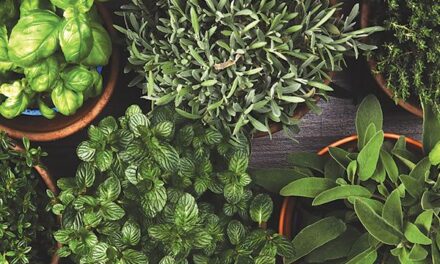
A few days later, I planted dill, flat-leaf parsley and chives in the herb pots. I situated the trio at the back of the kitchen sink for natural light. If they survive and thrive, the plan is to snip fresh herbs for cooking adventures.
While tending indoor herbs wasn’t my goal this winter, it rattled my brain into revisiting the pitfalls and misadventures of keeping plants alive indoors.
My home is green with plants, including a palm that threatens the ceiling, orchids, ferns and an assortment of other houseplants.
The maidenhair fern demands constant attention. Mistletoe cactus can be ignored for weeks. Different plants have different needs.
As fall fades to winter in Sacramento, most gardening scoots indoors where it’s warm and there’s hot chocolate.
Houseplants and holiday additions such as poinsettias, amaryllis and Christmas cactus adorn mantels, pot stands and windowsills. Sometimes they huddle under grow lights.
Indoor plants bring rooms to life and boost air quality. But keeping them healthy can be frustrating. There will be casualties. Your efforts may result in betrayal. All of us, no matter how experienced and diligent, will lose plants.
Too much diligence encourages the major cause of plant decline and death: overwatering. Helicopter gardeners water things to death.
The art of watering houseplants begins with knowing the water requirements of each plant and pot. Your pot needs a drainage hole.
Grocery store holiday plants, especially poinsettias, are wrapped in decorative foil to hide the brown or black plastic pot. Foil looks attractive but can cause premature plant death when drainage is blocked.
Foil can be removed before water pools and rots plant roots. Or punch holes in the foil to allow drainage.

Another strategy is to lift the plastic pot out of the foil, water the plant and let it thoroughly drain before nestling it back into the foil.
A lesser threat of prematurely ending a houseplant’s life is underwatering. Some houseplants, like the popular snake plant, thrive with infrequent watering, but many prefer water more often. I water my snake plant every three weeks or so in spring and summer, less often during winter.
An under-watered plant takes longer to show signs of decline, but chances of revival are better than an over-watered plant. Moisture meters help inform the times to water.
Indoor lighting requirements can be challenging. Minimal light is needed for some popular houseplants, but I’ve found rotating them into brighter light areas or under grow lights for a few weeks is much appreciated.
The houseplant pest lineup is spider mites, aphids, mealybugs and whiteflies. Most complaints I hear concern fungus gnats. These tiny, black flies flutter about when disturbed and can be seen scurrying across surfaces.
Overwatering invites fungus gnats. Moisture-loving larvae feed on plant roots and can spread diseases.
Defeating these annoying, harmful pests can be accomplished by allowing soil to thoroughly dry before each watering, using yellow sticky traps or applying the organic biological pesticide Bti.
By avoiding these common indoor plant land mines, I plan on snipping fresh dill for my scrambled eggs and mixing fresh chives into herb butter. Hope abounds for a tastier winter.
Dan Vierria is a University of California Cooperative Extension Master Gardener for Sacramento County. He can be reached at masterg29@gmail.com. For answers to gardening questions, contact UCCE Master Gardeners at (916) 876-5338, email mgsacramento@ucanr.edu or visit sacmg.ucanr.edu. Follow us on Facebook and Instagram: @insidesacramento.