

Pay Attention
Wandering minds are time’s biggest enemy
By Dr. Justin Altschuler
October 2026
It’s a familiar idea. No matter how much money we make or how successful we become, nobody can put more hours on the clock or days on the calendar.
The Stoics had a phrase for this: memento mori—remember death. Buddhists have a similar practice, encouraging meditation on death several times a day.

There’s something missing from such advice. Maybe time isn’t our most precious resource. Maybe attention is.
Consider how easily we get the first part right and the second part completely wrong.
You decide to spend more time with your daughter. You make the effort, sit down together and find yourself scrolling your phone.
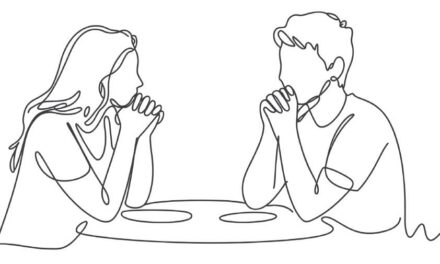
Or you and your partner finally have a night out. You sit across from each other at dinner, but your mind is consumed by a work problem.
Or you’re sitting along the American River. The water is cool, the sky spectacular, the ground warm. And you think about the stock market.
You’re there. But you’re not really there.
The distinction is increasingly important to me. We tend to think about our lives in terms of how we allocate our time. How much time do I spend at work? With my spouse? With my children? Exercising? Traveling? Seeing friends?
Our calendars may look perfectly balanced. Yet our lives feel strangely disconnected.
We spend three hours with someone we love and barely give them our attention. We spend an afternoon with our children while thinking about work.
This is one reason smartphones and social media are so disruptive. They don’t just devour time. They intentionally, aggressively compete for our attention. And there’s a cumulative effect.
Every time we reach for the phone because we’re bored, uncomfortable or anxious, we respond to discomfort by escaping it.
Every time we follow the most stimulating notification, headline or video, we let something else determine where our attention goes.

But the reverse is also true.
When we engage in a difficult conversation instead of mentally withdrawing, we practice being present.
When we sense an uncomfortable feeling without instantly trying to escape, we practice tolerating discomfort.
When we put down our phones and truly listen to the person in front of us, we strengthen our attention.
Attention isn’t something to manage. It’s a capacity to strengthen.
Meditation offers perhaps the clearest example. It is like a gym for attention. You sit down, focus on your breath and within seconds your mind wanders to an email, dinner or something from three days ago.
There’s a better way.
At work, notice the impulse to check something else. With people we love, put down the phone and be fully present.
We can’t create more hours in a day. We don’t know how many hours we have left. But we have influence over where our attention goes while time passes.
The parallel to the Stoics’ memento mori is remembering you are alive.
Dr. Justin Altschuler, a physician certified in family practice and addiction at Sequoia MD, can be reached at (916) 668-7164. Follow us on Facebook and Instagram: @insidesacramento.